


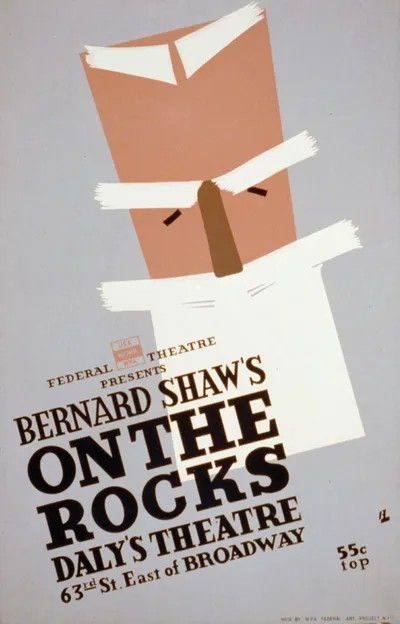
Silkscreen printing isn’t just a retro art technique; it’s a sophisticated method of surface printing that has survived the digital age by remaining stubbornly tactile. Also known as screen printing, this process relies on stenciling to push ink through a mesh onto a substrate. The name itself gives away the hardware: it originated from the use of fine-mesh silk stretched over a wooden frame. That silk acts as the support for a stencil, usually cut from paper or a similar thin, strong material. Where the stencil is cut away, ink flows through. Where it remains intact, the mesh blocks the paint.
The technique dates back to around 1900. Early adopters weren’t creating gallery pieces. They were in advertising and display work. If you saw bold, flat-colored graphics in the early 20th century, there’s a good chance silkscreen was involved. The process allowed for vibrant, durable prints on materials that other methods couldn’t handle as easily.
Fine artists didn’t embrace the medium until the 1950s. That shift changed how we view the technique. What started as a commercial tool became a vehicle for high art. Artists realized they could layer colors with precision and achieve a flatness that photography or traditional painting struggled to match.
To create a silkscreen print, you need specific gear. A wooden frame holds the mesh taut. This frame is often hinged to a slightly larger wooden board, which serves as the base. You place your printing paper on that board, directly under the screen. Then comes the ink application. A squeegee—a rubber blade roughly the same width as the screen—is used to press the paint through the mesh. The pressure forces the ink through the open areas of the stencil and onto the paper below.
Color in silkscreening isn’t accidental. It’s controlled. Each color requires its own separate screen. If you want a four-color image, you need four distinct stencils and four separate passes through the press. This separation allows for sharp edges and rich saturation. It also means the process is inherently manual and labor-intensive. You can’t just hit “print” on a computer and walk away.
Why does this matter today? The durability of silkscreened inks makes them ideal for textiles, signage, and electronics. But for the everyday user, the aesthetic is what sticks. That bold, slightly textured look is instantly recognizable. It’s the vibe of punk flyers, vintage posters, and high-end streetwear.
The technology has evolved. Modern screens often use polyester mesh instead of silk. The frames are more precise. The inks are more chemical-resistant. But the core mechanics remain unchanged. Stencil on mesh. Squeegee across. Ink through.
It’s a simple idea. The execution demands patience. And the result? Something that feels human. Digital prints are perfect. Silkscreen prints have character. They have weight. They have a story in every layer of ink.
Silkscreening is defined by its reliance on a stencil and a mesh screen to transfer ink, allowing for bold, multi-colored designs through a manual pressing process.
The medium doesn’t care about pixels. It cares about pressure, speed, and the quality of the emulsion. You get out exactly what you put in. If your stencil leaks


