平板电脑是便携式计算机的一个特定子类,其定义是没有物理键盘并依赖触摸屏界面。 屏幕尺寸通常范围从小于标准 A4 纸到相同尺寸。 至关重要的是,这些显示器始终是多点触控的,这意味着它们可以同时注册多个接触点。 这种硬件限制决定了我们与它们交互的方式,迫使我们从打字转向点击、滑动和捏合。
How Tablets Are Used
The main functions of the tablet are Internet connection and media use. Users can use them to browse the Internet, read digital newspapers, read e-books and manage e-mail. Because they are thin and light, manufacturers eliminate bulky mechanical storage components. These devices do not have internal DVD drives or traditional spinning hard drives. Instead, it relies entirely on flash storage and cloud services, defining its role as a consumption and light productivity tool rather than a heavy duty workstation.
The History of the Tablet Form Factor
The origins of modern tablets can often be traced back to 1993, when Apple introduced the Newton MessagePad 100. This device is widely considered to be the ancestor of today’s tablets. However, the concept itself dates back to 1968, when Alan Kay visualized the “Dynabook”. The Newton was a revolutionary device that required a stylus and had handwriting recognition capabilities, but it had significant limitations. Although innovative, it was not a commercial success.
The industry is going in a different direction than Microsoft. In 2001, the company introduced a “tablet” specification with a pen-optimized version of Windows XP. Although these devices demonstrated the potential of the technology, they remained niche products for specialized professionals.
When tablets become mainstream
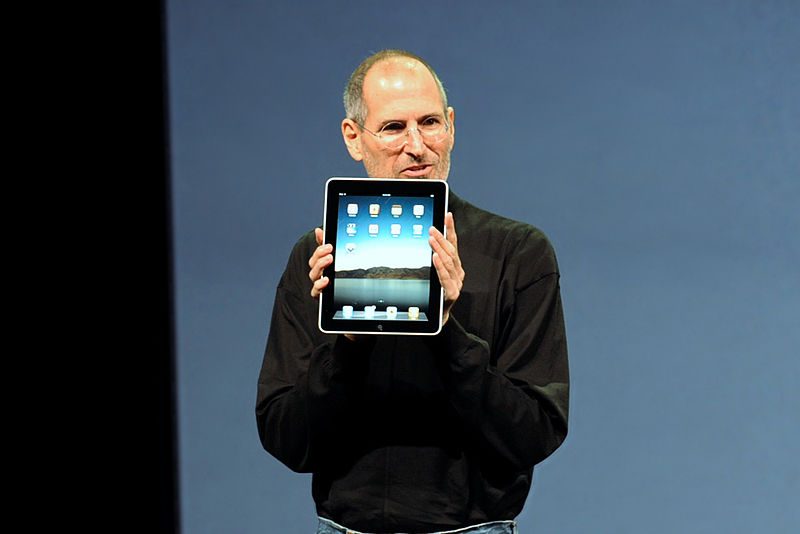
The turning point in the tablet category came in January 2010 with the launch of the Apple iPad. The device was successful because it utilized the same hardware and software technology as the iPhone, which was released three years earlier in 2007. The iPad makes the touch interface intuitive for the average consumer, not just tech enthusiasts. Once this concept was proven, the market exploded. Hundreds of models from different manufacturers followed, each trying to copy or improve on the iPad’s winning formula.
Tablets are in a unique place right now. It’s not a phone because the screen is too big to use with one hand. It’s not a laptop because it doesn’t have a physical keyboard or powerful file management features that many users need. It’s something completely different. A portal dedicated to digital content that prioritizes immediacy and portability over raw power.
Why did the Newton fail and the iPad succeed? Part of it was timing, but it was also about the ecosystem. Apple offers beautiful software experiences that match the capabilities of the hardware. Microsoft’s early efforts felt like desktop Windows squeezed into a smaller box. The industry understands that form factor alone is not enough. Software must be designed from the ground up for touch interfaces.
Today, the lines between laptops and tablets are more blurred than ever. Many “convertible” laptops have a touch screen and a detachable keyboard. Some tablets run full desktop operating systems. But the core identity remains. a slate of glass that responds to your touch, devoid of physical keys,