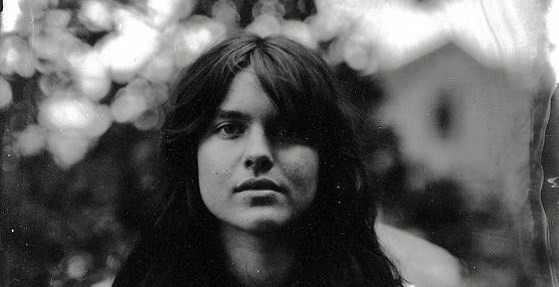
Folk musician Murphy Campbell recently became a case study in the emerging chaos of AI-generated music and aggressive copyright enforcement. In January, she discovered unauthorized tracks appearing on her Spotify profile—songs she never uploaded, with vocals that sounded distinctly artificial.
The Problem: AI is now capable of replicating artists’ voices to create convincing fakes, which are then uploaded to streaming services under the original artist’s name. Campbell verified her suspicions using AI detection tools, which indicated the tracks were likely AI-generated. The incident highlights a critical gap in platform security: it took significant effort from Campbell just to get the fraudulent songs removed, and even then, some remain accessible under altered artist profiles.
Spotify is testing a manual approval system for uploads, but Campbell is skeptical, given past promises from tech giants that haven’t fully materialized. The situation escalated further when a series of videos were uploaded to YouTube via distributor Vydia, claiming copyright ownership over Campbell’s public domain material, including centuries-old folk songs.
The Twist: Despite the timing raising eyebrows, Vydia maintains no connection to the AI cover uploads. The company claims its Content ID system flags only 0.02% of claims as invalid, which it calls an “amazing” industry standard. However, this incident underscores the broader problem: the worlds of AI generation, music distribution, and copyright are riddled with vulnerabilities.
Campbell points out that the abuse runs deeper than surface-level issues. The incident also triggered threats against Vydia employees, forcing office evacuations. The case is a stark reminder that even well-established platforms can be exploited, and that artists are left to navigate a complex landscape with limited recourse.
“I think it goes way deeper than we think it does,” Campbell says.
The future of music ownership is uncertain. As AI tools become more sophisticated, and copyright enforcement becomes increasingly automated, artists may find themselves in a constant battle to protect their identities and creative rights.