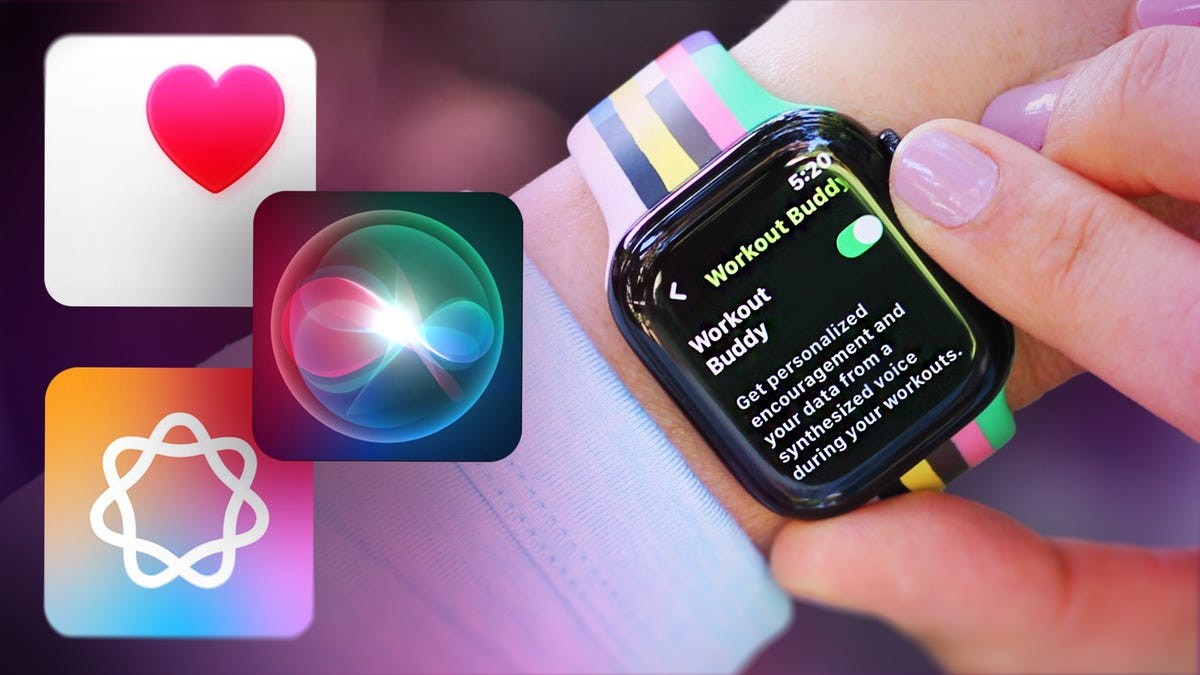
Apple is preparing to overhaul its Health app, potentially integrating Siri more deeply into health tracking next year. While this move could make the Apple Watch more hands-free, the company faces a critical challenge: how to enhance functionality without compromising user privacy or simplicity.
The AI Health Landscape
The current trend in AI-powered health coaching is accelerating. Companies like Google (Fitbit), Oura, Garmin, and even Meta are racing to offer AI-driven insights, turning biometric data into personalized recommendations. However, early implementations have yet to prove indispensable, raising questions about real-world value. Apple’s approach could define consumer trust in AI health solutions.
Apple’s Strategic Crossroads
Apple is at a crucial point. The company is reportedly considering a billion-dollar deal with Google to utilize Gemini AI for Siri, driven by talent shortages and the need to compete effectively. Meanwhile, the redesigned Health app, codenamed “Project Mulberry,” will likely rely heavily on AI to provide actionable insights, mirroring Google’s Fitbit Coach feature.
The Privacy Imperative
Privacy remains Apple’s core differentiator. Unlike competitors, Apple has built trust through stringent data protection. Integrating AI without eroding this trust is paramount. Users are already wary of sharing sensitive health data, as evidenced by the lengthy disclaimers required by devices like Meta’s Oakley glasses. Apple’s success hinges on maintaining its privacy commitment while delivering value.
The Balancing Act
Apple’s current health features—irregular heart-rate notifications, fall detection—already use AI effectively in the background, providing assistance without requiring constant user interaction. The key is to avoid forcing users to rely on a prominent AI interface, which could be confusing or unreliable.
A Tentative Path Forward
Apple must tread carefully. Over-cautiousness risks falling behind competitors, while aggressive implementation could damage its reputation. The company’s new Workout Buddy feature demonstrates a potential middle ground—providing spontaneous, less-intrusive feedback.
Ultimately, Apple’s success depends on building AI that anticipates user needs rather than requiring complex prompts. Privacy scaffolding must be prioritized before any widespread health data integration, ensuring that AI enhances, not exploits, user trust.