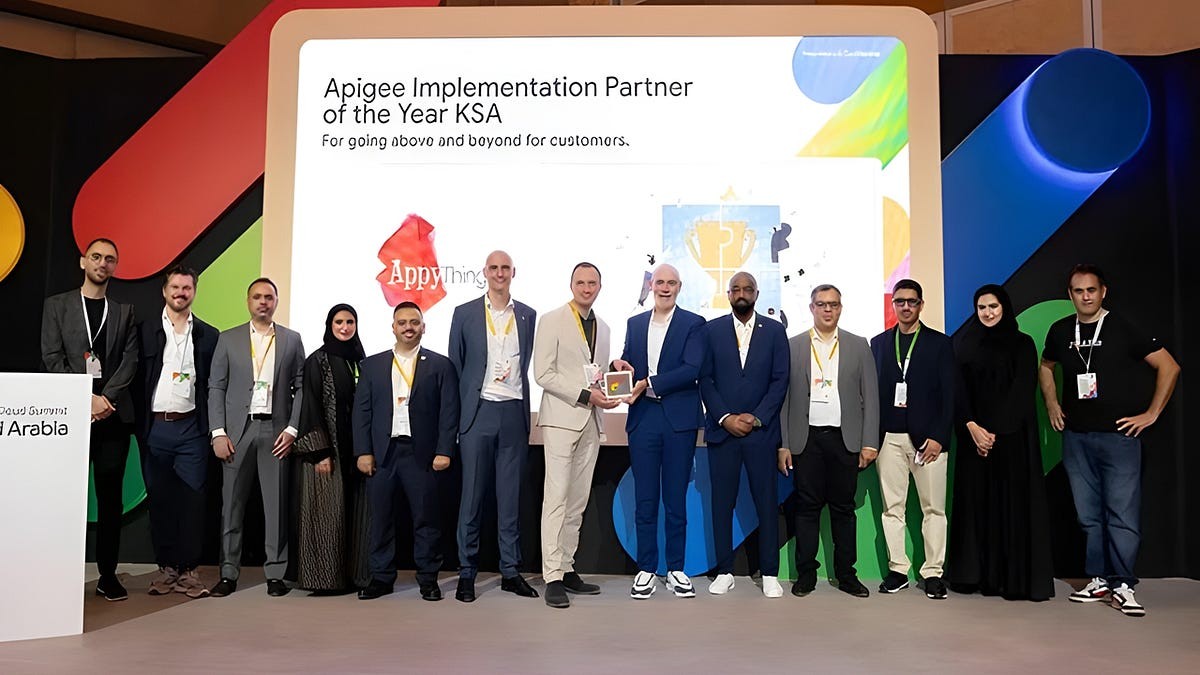
Netherlands-based technology firm AppyThings has officially launched AppyThings Arabia, a new legal entity in Riyadh, marking a significant step in its expansion within the Kingdom. This move formalizes two years of on-the-ground operations, transforming a temporary presence into a permanent strategic foothold in one of the world’s most aggressive digital transformation markets.
The establishment of this local entity is not merely administrative; it signals a deeper commitment to supporting Saudi Arabia’s rapid shift toward AI-native government and enterprise services. As the Kingdom accelerates its digital agenda, the demand for robust cloud, data, and API integration foundations is outpacing the supply of specialized partners capable of delivering at scale.
Beyond the Hype: The “Plumbing” of AI Adoption
While much of the current tech discourse focuses on large language models and generative AI capabilities, AppyThings addresses a critical, often overlooked layer: the integration architecture that makes AI usable and safe.
AI models do not operate in a vacuum. To deliver value, they must connect with existing legacy systems, govern complex data flows, and operate securely within established business processes. AppyThings specializes in building these APIs, data pipelines, and cloud architectures. By acting as the “connective tissue” between disparate systems, the company enables organizations to deploy AI agents effectively without compromising security or operational stability.
Why this matters: As Saudi Arabia pushes for AI-native services, the bottleneck is no longer access to AI models, but the ability to integrate them reliably into existing workflows. AppyThings provides the technical foundation that turns theoretical AI potential into practical, scalable reality.
Strategic Alignment with Saudi Vision
The timing of this expansion aligns perfectly with Saudi Arabia’s broader digital ambitions. The Kingdom recently ranked second globally in the World Bank’s 2025 GovTech Maturity Index, highlighting the pace and scale of its digital government transformation.
Several key factors are driving the demand for AppyThings’ services in the region:
- Cloud First Policy: Saudi government entities are mandated to prioritize cloud-based solutions, creating a fertile environment for partners who specialize in cloud-led service delivery.
- Proven Track Record: Since beginning operations in the Kingdom, AppyThings has secured more than ten major customers across public sector, healthcare, financial services, and telecommunications.
- Industry Recognition: The firm was named Google Cloud’s Apigee Implementation Partner of the Year in KSA for 2025, distinguishing it in a competitive field of global partners.
Leadership and Growth Trajectory
To support this expansion, AppyThings has strengthened its leadership structure in the region:
- Ahmed Raafat has been appointed as Country Manager for KSA, overseeing local operations and client relationships.
- Shazali Taha has been promoted to Vice President for the Middle East, Turkey, and Africa, tasked with driving broader regional growth across key markets.
The company’s regional workforce has tripled over the past two years, reflecting sustained demand and the complexity of the projects undertaken. AppyThings employs a market development approach that combines consulting, maturity assessments, and phased implementation roadmaps. This method allows organizations to build long-term digital capability rather than relying on quick fixes.
Conclusion
AppyThings’ formal entry into Saudi Arabia underscores a broader trend in the global tech landscape: the shift from experimenting with AI to industrializing it. By providing the essential integration layer that connects data, cloud infrastructure, and AI agents, AppyThings is positioning itself as a critical enabler of Saudi Arabia’s digital future. As the Kingdom continues to lead in GovTech maturity, partners that can bridge the gap between cutting-edge technology and operational reality will be indispensable.