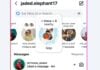
Meta, Facebook’s parent company, is running a trial that restricts the number of external links users can share unless they subscribe to its paid Meta Verified service. The test, first observed by social media analyst Matt Navarra, limits non-subscribers to only two link posts, forcing them to either upgrade to a $14.99/month plan or curtail their sharing of outside content.
Why This Matters
This move signals a deliberate effort by Meta to incentivize subscriptions and potentially drive up revenue. By making link sharing more restrictive for free users, the company is subtly pushing creators and businesses toward the paid Meta Verified tier. This strategy isn’t new; platforms have long used feature gating to convert casual users into paying subscribers.
How the Test Works
The restriction applies to accounts using “professional mode” – a feature that allows personal profiles to function as creator pages with wider reach. Users can still post links in comments or share links to other Meta-owned platforms (Facebook, Instagram, WhatsApp) without penalty. However, sharing links from external blogs, news sites, or other platforms is now limited.
Meta’s Explanation
A Meta spokesperson confirmed the test, calling it a “limited experiment” to determine whether increased posting volume with links provides added value for Meta Verified subscribers. The company has also highlighted data suggesting that the vast majority of Facebook feed views (98% in the U.S.) come from posts without external links. This suggests Meta believes the change won’t significantly impact overall engagement, and might even encourage users to rely more on native content within the platform.
Implications for Creators and Brands
This test could significantly disrupt how creators and brands use Facebook to drive traffic to their websites or other online properties. Without a paid subscription, they’ll need to either reduce link sharing or find alternative ways to reach their audience. The data also reveals that the most shared external links on Facebook lead to YouTube, TikTok, and GoFundMe, meaning these platforms could be indirectly affected by the change.
What’s Next
Meta has stated it is not currently including publishers in this test. However, the company’s ongoing experimentation suggests that link-sharing restrictions could expand further if the current trial proves successful. This move raises questions about the future of open content sharing on Facebook and whether the platform is shifting towards a more walled-garden approach.
Ultimately, Meta’s goal is to increase the value of its paid subscription service by making essential features like unrestricted link sharing exclusive to subscribers. This test is a clear step in that direction.