
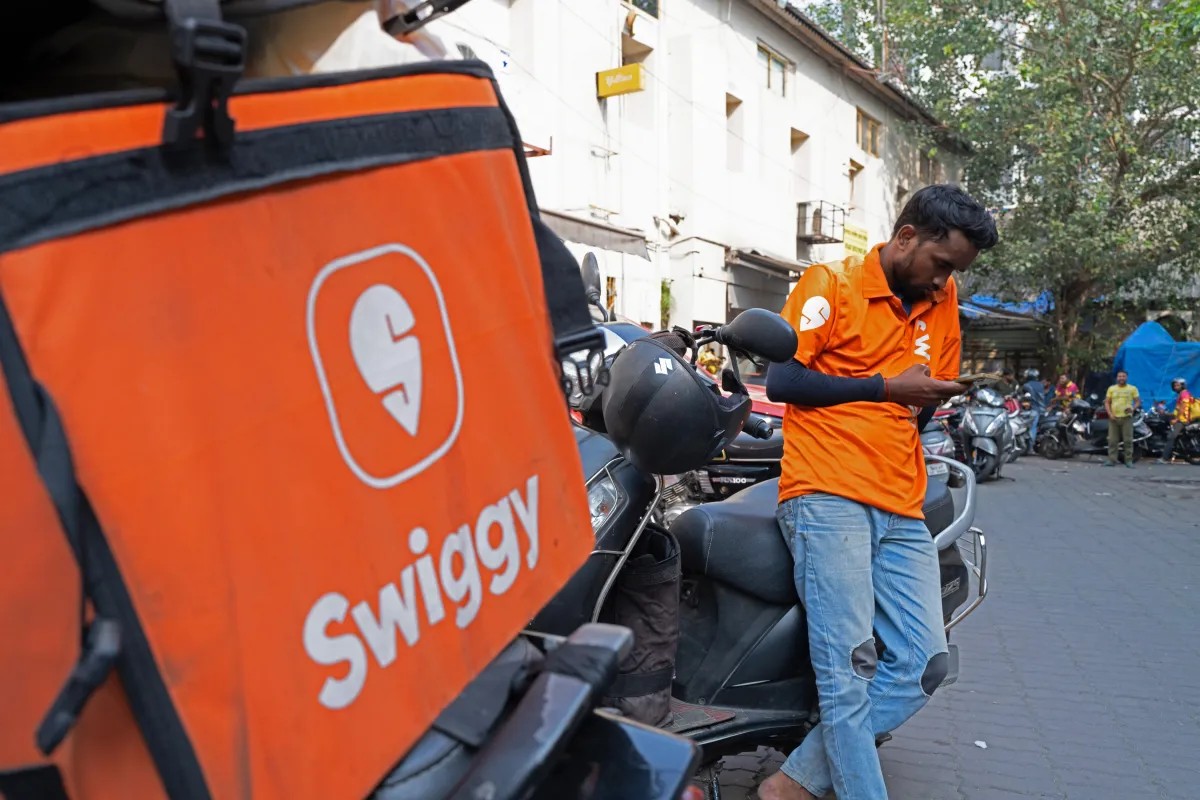
India’s labor ministry is taking action to address worker safety concerns within the rapidly expanding quick-commerce sector. Officials have met with leading companies like Blinkit (Zomato), Instamart (Swiggy), and Zepto, urging them to eliminate promises of 10-minute delivery times. This move reflects growing pressure to protect gig workers from unsustainable and potentially dangerous working conditions.
The Rise of Ultra-Fast Delivery
The 10-minute delivery model, while failing to gain traction in many markets, has exploded in popularity in India. Urban consumers have quickly adapted to the expectation of near-instant access to goods ranging from electronics to groceries. To meet this demand, companies have invested heavily in “dark stores” – strategically located warehouses designed for rapid fulfillment – and built large delivery fleets.
Worker Backlash and Safety Concerns
This aggressive growth has come at a cost. Delivery workers are facing intense pressure to meet unrealistic deadlines, leading to increased risks on the roads and deteriorating working conditions. In late December, over 200,000 gig workers protested across major Indian cities, demanding better wages, social security, and protection against automated penalty systems.
As Prabir Jha, CEO of Prabir Jha People Advisory, notes, “Ultra-fast delivery models of 10-15 minutes materially change the risk and stress profile of gig work.” The demand for speed directly translates into higher stress and potential danger for those on the ground.
Government Intervention and New Regulations
The labor ministry’s intervention follows recent legislation granting legal status to millions of gig and platform workers. These new laws require companies to contribute 1-2% of their annual revenue to a government-managed social security fund, acknowledging the growing importance of this workforce.
Blinkit has already removed its 10-minute delivery promises, and competitors are expected to follow suit. The move signals a shift towards prioritizing worker welfare over extreme delivery speeds.
The Bigger Picture
India’s gig economy is massive and growing. Employing 7.7 million workers in 2020-21, it’s projected to reach 23.5 million by 2029-30. These numbers underscore the urgency of addressing labor standards in this sector. The government’s recent actions are an attempt to balance rapid economic growth with the well-being of its workforce.
The pushback against 10-minute delivery is a clear signal: unsustainable business models will be reevaluated if they come at the expense of human safety and fair labor practices.