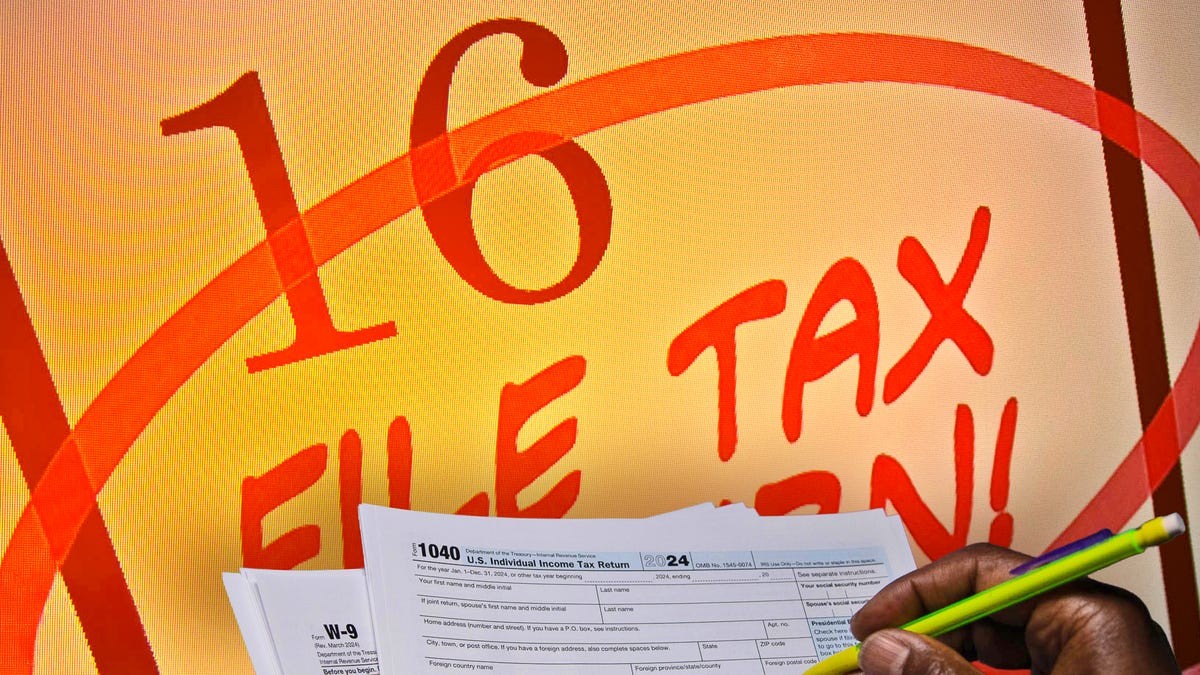
Receiving a notice from the Internal Revenue Service (IRS) is never pleasant. The agency typically communicates through official letters or notices, not by phone or email. One common issue is Notice CP59, indicating the IRS has no record of your prior-year tax return.
This could be due to oversight, financial hardship preventing timely filing, or simply a delay in IRS processing. Regardless, prompt action is crucial. Filing your taxes – or proving you already did – reduces potential penalties.
Proactive planning is key. Waiting until the last minute increases errors and stress. Here’s how to avoid costly IRS penalties and delays:
Understanding IRS Penalties
The IRS levies two main penalties on taxpayers who don’t meet their obligations:
- Failure-to-File: Assessed monthly on unpaid taxes, up to a maximum of 25%. If a return is over 60 days late, the minimum penalty is 100% of the underpayment.
- Failure-to-Pay: Applied even if you file on time, but don’t pay the full amount owed.
The IRS also charges interest on unpaid taxes and penalties. Filing on time, even if you can’t pay immediately, prevents the more severe failure-to-file penalties.
Avoiding Penalties: Practical Steps
Even with significant tax debt, taking action can minimize or eliminate penalties. Here are simple, effective strategies:
- File on Time: Filing, even with an extension, is better than not filing at all. The failure-to-file penalty is much higher than the failure-to-pay penalty.
- File for an Extension (Form 4868): If you need more time, request an extension before the filing deadline (usually April 15). This gives you until October 15, but doesn’t excuse unpaid taxes. Pay what you can by April 15 to avoid failure-to-pay penalties.
- Pay Estimated Taxes: Self-employed individuals, contractors, and small businesses should pay quarterly estimated taxes to avoid underpayment penalties. Pay at least 90% of the current year’s tax or 100% of the previous year’s liability. High-income earners (AGI over $150,000) must pay 110% of the previous year’s taxes.
- Establish a Payment Plan: If you can’t pay in full, set up a payment plan with the IRS. Short-term plans (under 180 days) are free online. Long-term installment agreements require a setup fee (currently $22 online, but fees vary).
Reducing Processing Delays
Even timely filings can get held up due to errors. Common issues include name or Social Security Number discrepancies. Ensure your information matches IRS records exactly to avoid manual review and delays. Use tax software to automate calculations and minimize math errors.
The IRS provides an online tool, “Where’s My Refund,” to track your return’s status.
Penalty Relief Options
The IRS offers penalty abatement in certain cases:
- First-Time Penalty Abatement: Available if you haven’t been penalized in the past three years and meet other criteria.
- Reasonable Cause: Justified reasons (fire, illness, tax system errors) may qualify for relief.
Submit Form 843 with supporting documentation or call the IRS for assistance.
If denied, you have 30 days to appeal in writing.
The Importance of Organization
Delays often stem from poor recordkeeping. Maintain thorough records year-round, especially if you have complex finances. Use budgeting apps, spreadsheets, or bookkeeping software to track income and expenses. The IRS recommends keeping records for at least three years, but some situations may require indefinite retention.
In conclusion: Avoiding IRS penalties requires proactive planning, accurate filing, and timely payment. Even if you face financial hardship, filing on time and exploring payment options can significantly reduce penalties. Staying organized and keeping detailed records is vital for a smooth tax season.