The geopolitical tension between the United States and Iran has entered a critical phase. Following recent developments, Iran has announced it will reopen the Strait of Hormuz for the duration of the current U.S.-Iran ceasefire, which is scheduled to expire next week. While this move signals a potential de-escalation, significant logistical and political hurdles suggest that “open waters” may not mean a return to business as usual.
A Fragile Signal of De-escalation
Iran’s decision to reopen the strait is linked to the ceasefire established in Lebanon on Thursday. This development is being viewed as a potential breakthrough in the broader, ongoing negotiations between Washington and Tehran.
The implications of this move are felt immediately in global markets:
– Energy Markets: Oil prices have already begun to decline.
– Consumer Impact: A stabilized Strait of Hormuz could lead to lower gas prices in the United States.
However, despite these positive market signals, a comprehensive peace deal remains elusive.
The Gap Between Announcement and Reality
While Iran has signaled its intent to allow passage, several factors complicate the actual functionality of the strait:
1. The U.S. Blockade
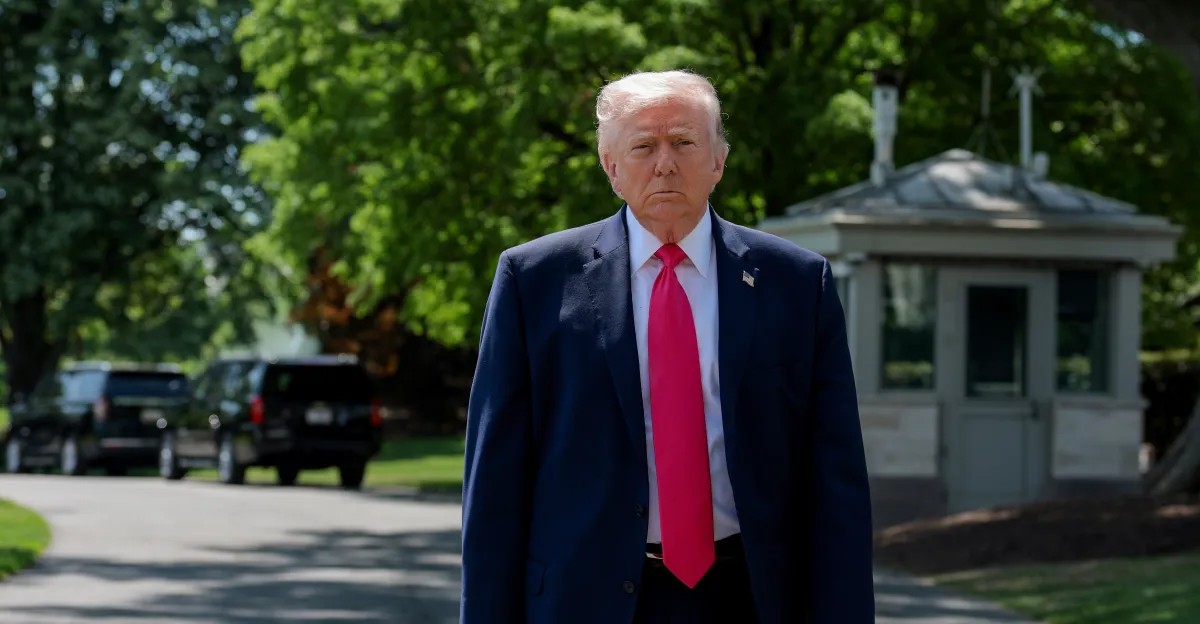
President Donald Trump has indicated that the United States intends to maintain its blockade of the strait until a formal deal is finalized. This creates a paradoxical situation: while commercial vessels may be allowed to pass through, Iranian oil exports—the primary economic driver of the region—may remain effectively trapped by U.S. policy.
2. Maritime Safety and Naval Mines
There are serious doubts regarding the physical safety of the shipping routes. Although Iran has provided maps identifying two “open” maritime corridors, vessel trackers show very little actual traffic. This lack of movement is likely due to the presence of naval mines laid by Iran. Reports suggest that some of these mines are currently unlocated or cannot be easily removed, making the strait a high-risk zone for international shipping.
3. The Nuclear Impasse
The core of the diplomatic friction remains the Iranian nuclear program. While President Trump has suggested progress regarding the removal of “nuclear material” (which he has referred to as “dust”), Reuters reports that “significant differences” persist between the two nations. These disagreements are preventing the transition from a temporary ceasefire to a permanent agreement.
The Road Ahead: The Wednesday Deadline
The international community is now watching a looming deadline this coming Wednesday, when the current ceasefire is set to expire.
The next few days will determine the trajectory of the conflict. If negotiations show genuine progress and the strait remains navigable, it is highly probable that the ceasefire will be extended. If talks stall, the risk of renewed maritime and economic confrontation rises sharply.
Conclusion: While the reopening of the Strait of Hormuz offers a glimmer of hope for global energy stability, the combination of a U.S. blockade and unmapped naval mines means the maritime corridor remains a volatile and uncertain gateway.