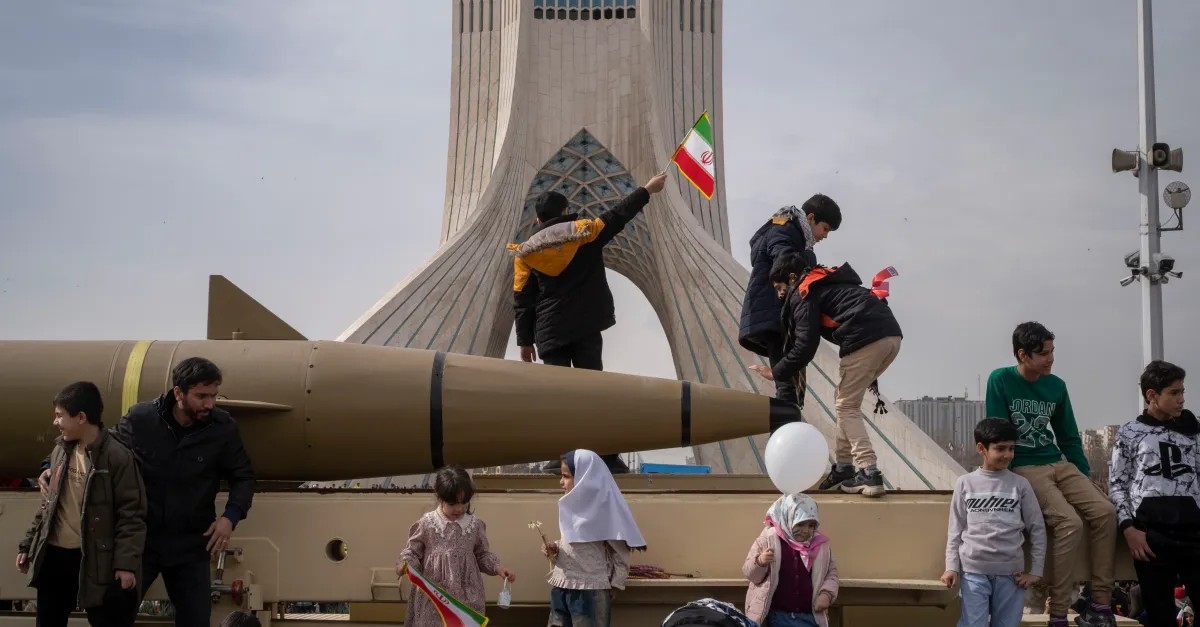
The escalating conflict between the U.S., Israel, and Iran is not simply a matter of military will, but a finite game of attrition determined by ammunition stockpiles. While both sides have demonstrated an ability to degrade the other’s capabilities, the unsustainable cost of modern missile defense and dwindling supplies of key interceptors raise questions about how long this conflict can realistically continue.
The Arms Race Dynamic
Iran has shifted its strategy in response to superior U.S. and Israeli firepower. Instead of attempting direct military defeat—an impossibility given current imbalances—Tehran now focuses on inflicting economic pain, psychological pressure, and disrupting critical infrastructure. This includes attacks on energy chokepoints like the Strait of Hormuz, as well as civilian targets to sow panic and erode regional stability.
Despite high interception rates (over 90% in many cases), the sheer volume of Iranian missiles and drones is straining Western defensive systems. The U.S. alone is estimated to have spent $2.4 billion on Patriot interceptors in the first five days of the conflict, with each interceptor costing roughly $4 million. The limited production of advanced interceptors like THAAD (only 11 produced annually) further exacerbates the problem, creating a critical supply bottleneck.
Depletion and Diversion
The current conflict is diverting crucial ammunition stockpiles from other theaters, most notably Ukraine. European officials report interceptors intended for Kyiv are being re-routed to the Middle East, while the U.S. is reportedly moving THAAD systems from South Korea to address the immediate crisis. This shift highlights a broader trend: modern warfare is increasingly defined by logistical constraints rather than sheer military strength.
Offensive capabilities are also at risk of depletion. The U.S. may require years to replenish its Tomahawk missile reserves, given current production rates. The imbalance between offensive and defensive spending is stark: interceptors are far more expensive and less available than the missiles they are designed to counter.
Iran’s Strategy: Endurance Over Victory
Iran’s leadership understands this dynamic. Their goal is not to defeat the U.S. or Israel outright, but to prolong the conflict until the economic, political, and logistical costs become unbearable for the opposing side.
Tehran has adapted by focusing on cheaper, more numerous weapons like one-way attack drones (Shaheds), which have proven effective in Ukraine and are now being deployed aggressively in the Middle East. Iran’s drone production capacity, though diminished by strikes, was estimated at 10,000 units per month before the war.
The Cost of Interception
The high intercept rates come at a steep price. The U.S. and its allies are burning through advanced missile defense systems at an unsustainable rate. Some analysts have questioned operational preparedness, citing reports that U.S. troops were operating from makeshift facilities and that offers for anti-drone technology were rejected prior to the conflict.
Despite the degradation of Iran’s missile infrastructure (estimated at 70% destruction of launchers), the regime continues to inflict damage, adapting by spreading out targets, relying on cheaper drones, and exploiting vulnerabilities in regional air defenses.
The Future of Conflict
The current conflict is forcing a reassessment of modern warfare. The cost curve of missile defense is unsustainable, and the rapid depletion of interceptor stockpiles poses a long-term threat to regional stability.
If Iran can continue to inflict pain at a manageable cost, they may succeed in forcing a ceasefire or withdrawal by exhausting the willingness of the U.S. and its allies to continue fighting. The conflict serves as a stark reminder that in the age of precision strikes and advanced missile defense, ammunition constraints may be the ultimate determinant of victory or defeat.