Qualcomm is making a significant move into the robotics market, unveiling its Dragonwing IQ10 Series – a full-stack hardware, software, and AI architecture designed to power robots ranging from domestic helpers to industrial machines. The announcement, made at CES in Las Vegas, signals a growing commitment from major tech companies to robotics development.
The Rise of Embodied AI
This expansion comes as no surprise. Qualcomm has invested heavily in the AI technologies powering devices like smartphones and cars. Now, that expertise is shifting towards embodied AI – robots capable of autonomous movement and interaction with their environment. The key is vision language action (VLA) models, which allow robots to understand and navigate spaces independently. This represents a fresh growth area for chipmakers looking to expand their AI offerings.
Key Partnerships and Demonstrations
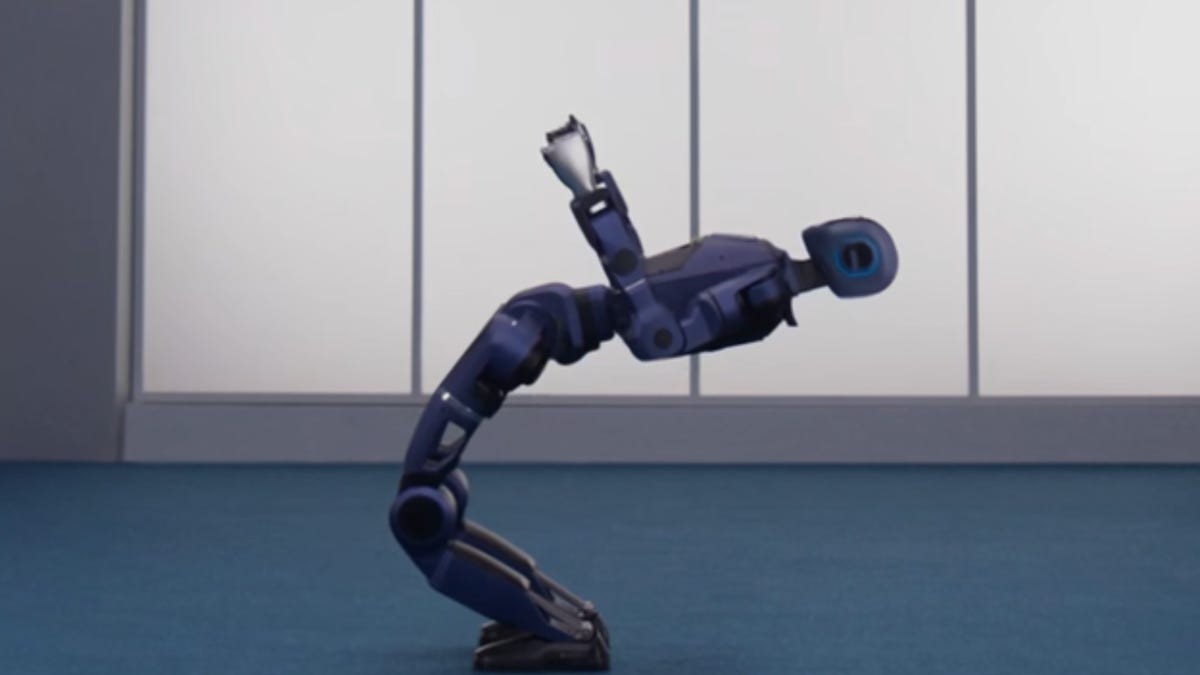
To showcase the Dragonwing IQ10’s capabilities, Qualcomm is collaborating with Vietnamese robotics firm Vinmotion on the Motion 2 humanoid robot. Demonstrations show the robot performing tasks like bending with human-like flexibility, lifting objects, and even breaking through wood – highlighting its strength and agility.
Beyond Vinmotion, Qualcomm has also partnered with companies like Figure (focused on “future of home help” robots), Advantech, and Kuka Robotics. This collaborative approach aims to accelerate the development and deployment of practical robotics solutions.
Why This Matters: Efficiency and the Enterprise Focus
Qualcomm’s CEO, Cristiano Amon, described robotics as an “incredible opportunity” for the company. While consumer robots are on the horizon, Qualcomm’s immediate focus is on enterprise-grade robotics for industrial applications. This makes sense given the current state of the technology and market demand.
The Dragonwing IQ10 is designed for energy efficiency, essential for both mobile robots and vehicles. Unlike servers, robots require compact, low-power solutions. Qualcomm’s experience in automotive chips, where similar constraints apply, positions it well for this transition.
Beyond the Hype: Real-World Implications
The company is leveraging its expertise in advanced driver-assistance systems (ADAS) to ensure robot safety. This reflects a growing industry emphasis on responsible AI deployment, particularly as robots become more integrated into human environments. By combining hardware, software, and AI tools, Qualcomm aims to move “intelligent machines out of the labs and into real-world environments.”
Ultimately, Qualcomm’s entrance into robotics is not just about building better chips. It’s about establishing a full-stack platform that enables practical, safe, and efficient AI-powered robots for businesses and consumers alike.