Razer is making a bold move at CES 2026, shifting the focus from AI-powered smart glasses to a more familiar wearable: headphones. Their new prototype, Project Motoko, integrates a full AI assistant directly into a headset, offering contextual awareness through dual eye-level cameras and powered by a Snapdragon processor. This approach tackles a key consumer barrier – the reluctance to wear smart glasses – by leveraging a device most people already use daily.
The Problem with Smart Glasses: Adoption and Privacy
Razer’s core argument is simple: more people wear headphones than glasses. The company believes this increases the potential market for AI wearables. Beyond adoption rates, Project Motoko addresses a significant privacy concern with smart glasses. Because the AI communicates directly within the headphone set, the risk of unwanted eavesdropping is minimized. Smart glasses, by their nature, make AI interactions more public.
How Project Motoko Works: Real-World Examples
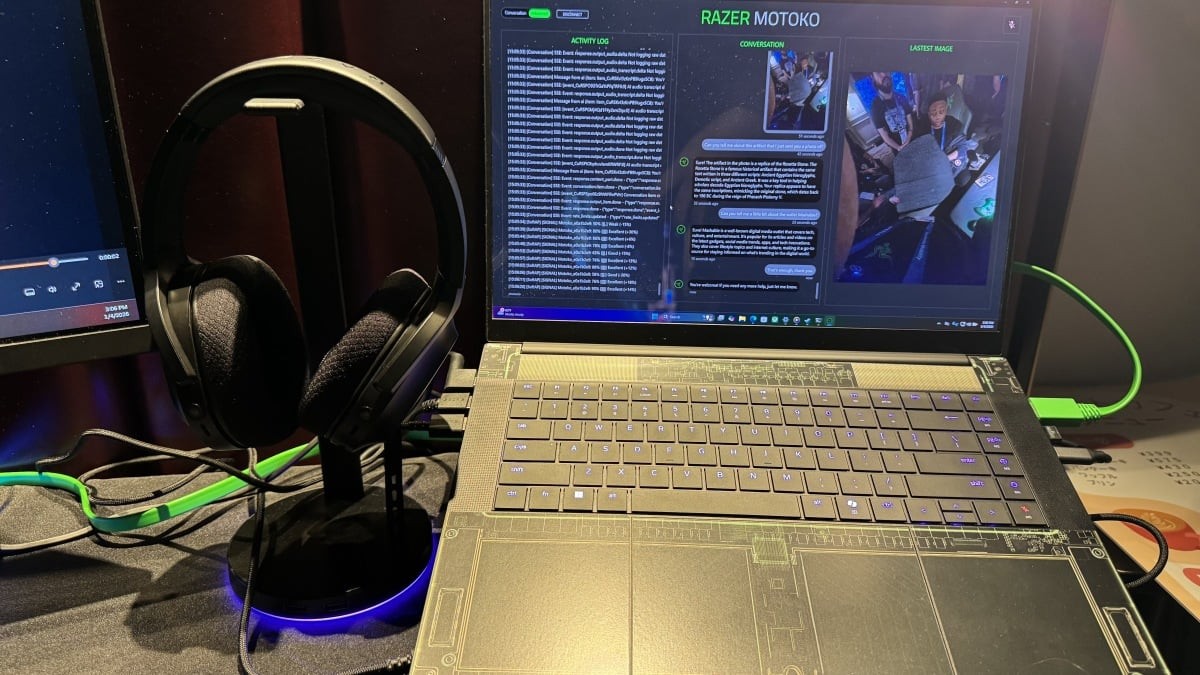
During a demo at CES, Razer showcased Project Motoko’s capabilities with practical scenarios. When presented with a Japanese restaurant menu, the headset instantly translated the text audibly. It then answered questions about the menu, even suggesting more affordable options when the user’s budget was a constraint. The device also identified a replica of the Rosetta Stone and provided relevant historical information.
What sets Motoko apart is its flexibility: it’s not locked into a specific AI model, allowing users to connect their preferred large language model (LLM). This avoids vendor lock-in and allows for customized AI experiences.
The Trade-Off: Display vs. Accessibility
The obvious drawback is the lack of a visual display, a feature found in some smart glasses. However, Razer points out that many smart glasses already lack in-lens display functionality, making this less of a critical limitation. The company’s bet is that the convenience and familiarity of headphones outweigh the need for a heads-up display.
Why This Matters: The Future of AI Wearables
Razer’s approach highlights a shift in thinking about AI wearables. Instead of forcing new technology onto consumers, Project Motoko integrates AI into an existing product category. This could significantly broaden the adoption of AI-powered devices, as it lowers the barrier to entry. The demo suggests that AI wearables don’t necessarily need to look revolutionary to be impactful.
Ultimately, Razer’s Project Motoko is a compelling argument for the future of AI: seamless integration into everyday products, prioritizing privacy and accessibility over novelty.