Samsung is preparing to expand its smartwatch offerings with the anticipated release of the Galaxy Watch 9 and a potential new Galaxy Watch Ultra 2 in the summer of 2026. While the standard Galaxy Watch 9 is expected to follow incremental improvements, the Ultra 2 is poised to be a key differentiator, focusing on durability, extended battery life, and advanced health monitoring capabilities.
The Return of the Ultra: Bigger, Tougher, and Smarter
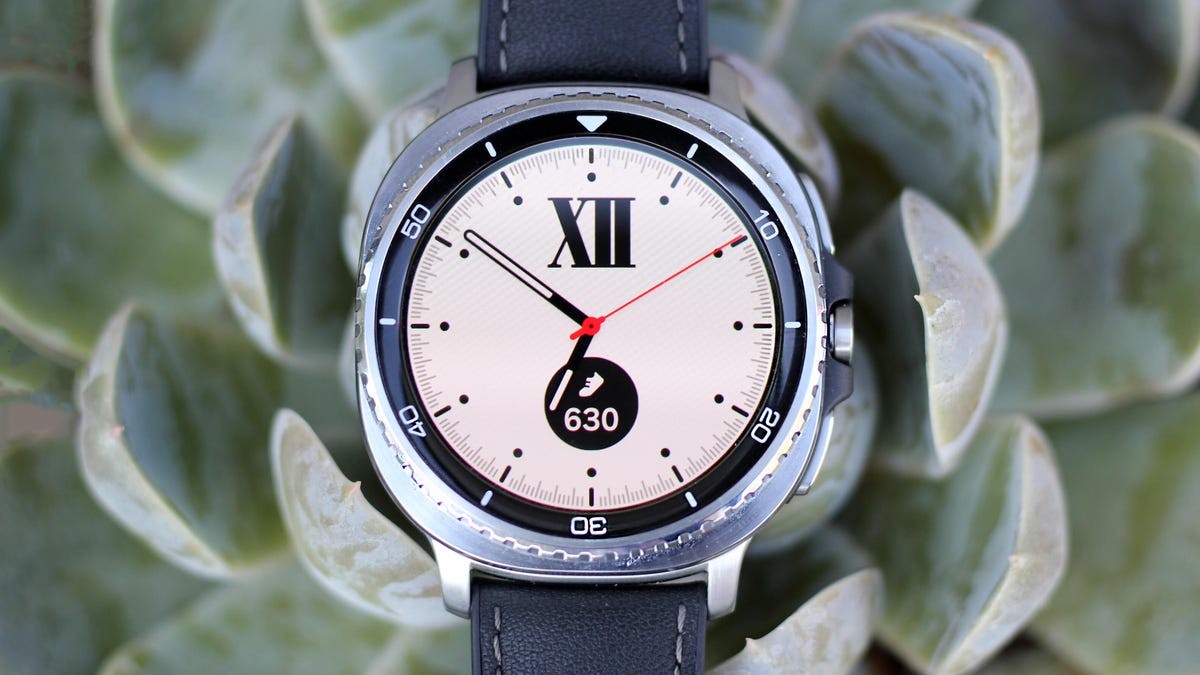
The original Galaxy Watch Ultra, launched in 2024, set itself apart with its rugged build and impressive battery performance, lasting up to 2.5 days on a single charge – significantly longer than the flagship Galaxy Watch 8’s 30-40 hours. The Ultra 2 is likely to retain its robust 47mm design, with upgrades focusing on internal enhancements rather than drastic aesthetic changes.
Health Tracking Takes Center Stage
The most significant improvements are expected in the health tracking department. Last year’s Galaxy Watch introduced an antioxidant index, capable of detecting nutritional signals through skin analysis. The Ultra 2 could expand on this, potentially including broader nutritional insights and even non-invasive glucose monitoring. This technology has long been a sought-after feature in wearables and may finally be within reach, marking a substantial leap forward in wearable health tech.
Processor and Battery Life: Aiming for Multiday Endurance
Samsung is expected to equip both the Galaxy Watch 9 and the Ultra 2 with a new processor. This upgrade could bring better efficiency, longer battery life, or even a dual-chip architecture – separating high-performance tasks from background processes. This approach, seen in the OnePlus Watch 3, could bring Samsung’s lineup closer to the multiday endurance of competitors like Huawei and OnePlus.
AI and Connectivity Enhancements
Improved processing power will also likely unlock more on-device AI features, enhancing health coaching and AI-powered insights. The inclusion of satellite connectivity, following trends set by Apple and Google, is another possibility. This would allow users to remain connected even without a smartphone nearby, enhancing the watch’s utility for outdoor and adventure activities.
The focus on health metrics, durability, and battery life suggests Samsung is targeting a niche of users who prioritize functionality over purely aesthetic design.
The Galaxy Watch Ultra 2 isn’t just an iterative upgrade; it represents a strategic move to compete in the high-end smartwatch market with features that go beyond basic fitness tracking. The combination of advanced sensors, optimized processing, and potentially groundbreaking health monitoring capabilities positions Samsung to further establish itself as a leader in wearable technology.