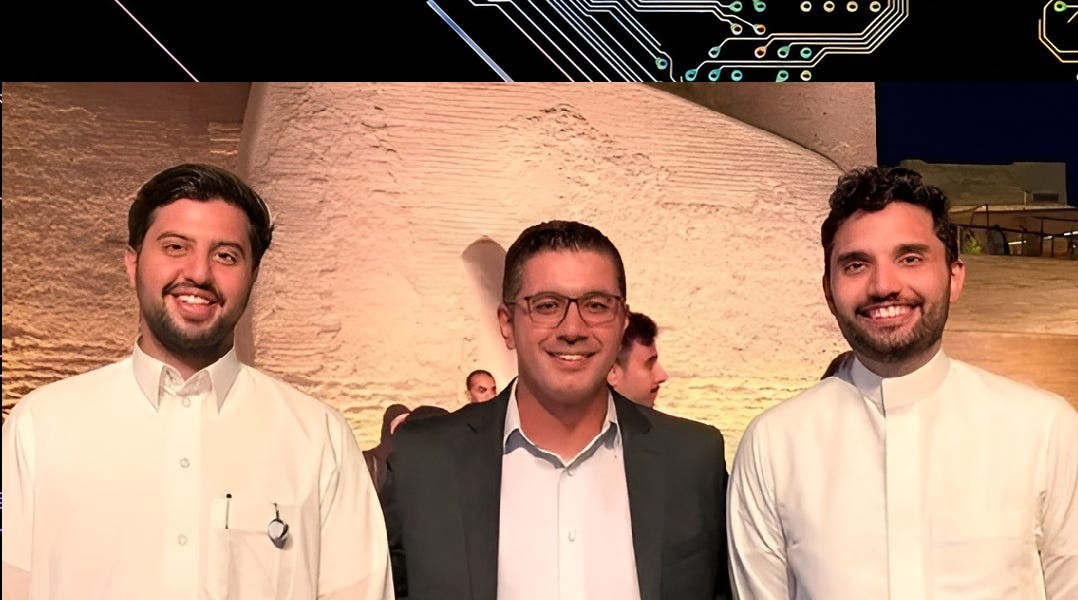
Recent developments in the Middle East’s technology sector highlight a growing push for regional semiconductor independence. A Saudi startup, Rimal, has reportedly secured undisclosed funding to advance its semiconductor ambitions. This move is part of a broader trend: several Gulf states are investing heavily in AI and chip manufacturing to reduce reliance on foreign tech.
Regional AI Developments
Beyond Rimal’s funding, several other key developments were reported:
– Dubai has begun integrating AI into its Sharia fatwa (religious rulings) system, aiming to streamline legal interpretations. This is significant because it demonstrates a willingness to adopt advanced technology within traditional frameworks.
– Oman has been recognized by UNESCO as a potential leader in ethical AI development, suggesting a commitment to responsible innovation. This reflects Oman’s strategic positioning to attract international AI partnerships.
The Post-Training Era
The push for regional semiconductor production is driven by the emerging “post-training era” in AI. This refers to the need for more efficient hardware to handle the exponentially growing demands of datacenter inference—the process of deploying trained AI models at scale. Companies like Positron AI are spearheading this shift by focusing on low-power, cost-effective AI inference solutions, positioning themselves as key players in the MENA (Middle East and North Africa) region.
Podcast and Voice Cloning Experiment
The news was delivered via a podcast hosted by Carrington Malin, who noted that the voice used in the broadcast was an AI clone. This experiment highlights the challenges of AI-generated audio, which currently struggles with accurate pronunciation of regional languages and place names. Despite these errors, the host affirmed ongoing improvements to the voice cloning technology.
Conclusion: The funding of Rimal, along with AI integrations in Dubai and Oman, underscores the Middle East’s accelerating tech ambitions. These developments signal a strategic shift towards greater regional independence in both AI and semiconductor manufacturing.