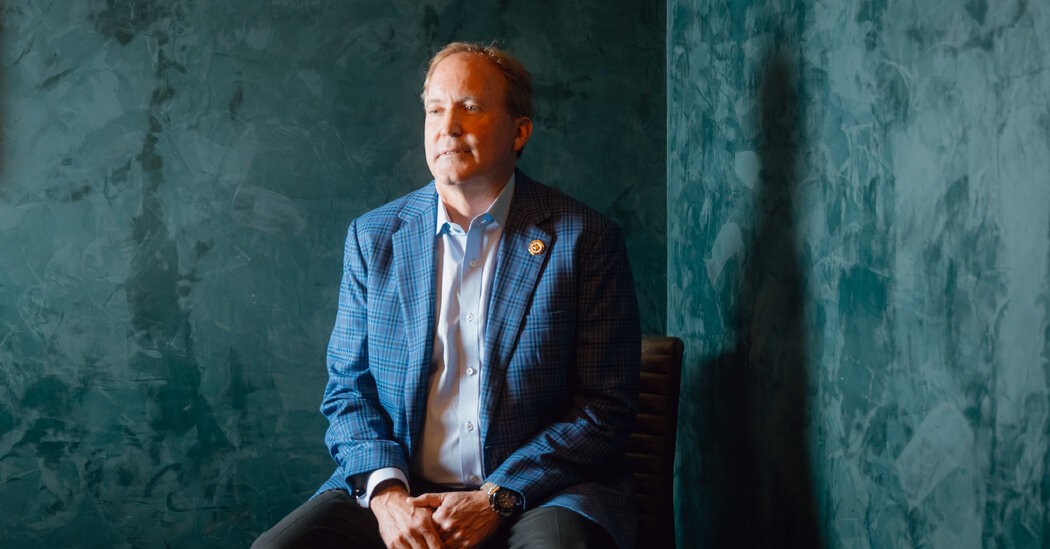
A new political advertisement released by Texas Attorney General Ken Paxton showcases the rapidly evolving landscape of campaign tactics, employing artificial intelligence to fabricate scenes depicting his Senate rivals dancing together. This move represents a significant escalation in the use of AI in political advertising, foreshadowing a potential deluge of synthetic content designed to influence voters in upcoming elections.
The Rise of AI-Powered Political Ads
For decades, political campaigns have relied on misleading or false advertising to sway public opinion. However, the advent of AI introduces a new level of sophistication – and deception. Paxton’s ad features digitally altered clips of Senator John Cornyn and Representative Jasmine Crockett appearing to dance in both a Texas dance hall and the U.S. Capitol. These scenes are not real; they are AI-generated fabrications designed to create an association between the two candidates in the minds of voters.
The ad seamlessly weaves these fabricated scenes with genuine footage of Crockett praising Cornyn and news clips of Cornyn speaking positively about her, further blurring the line between reality and manipulation. This tactic aims to exploit existing political tensions and create a narrative that could damage both candidates’ reputations.
Precedent and Implications
Paxton is not the first to experiment with AI-generated political content. Andrew M. Cuomo used similar tactics during his New York City mayoral campaign last year, although his ad sparked controversy for its offensive depiction of Zohran Mamdani and his supporters.
The Paxton campaign’s video serves as a stark reminder that AI is no longer a future threat but a present reality in political advertising. This trend raises serious questions about the authenticity of political information and the potential for AI to undermine democratic processes by flooding the media with synthetic falsehoods.
Reactions and Future Concerns
Representative Crockett acknowledged the ad, even using it as an opportunity to highlight the absurdity of the Republican primary battle. However, the broader implications are far more serious. The ease with which AI can now create convincing but entirely fake content poses an existential challenge to media literacy and trust in political discourse.
“The proliferation of AI-generated political ads necessitates urgent discussion on regulations and transparency measures.”
The future of political campaigns may well involve a constant arms race between AI-powered manipulation and the ability of voters to discern truth from fabrication. Without safeguards, the integrity of elections could be fundamentally threatened by these increasingly sophisticated tools.