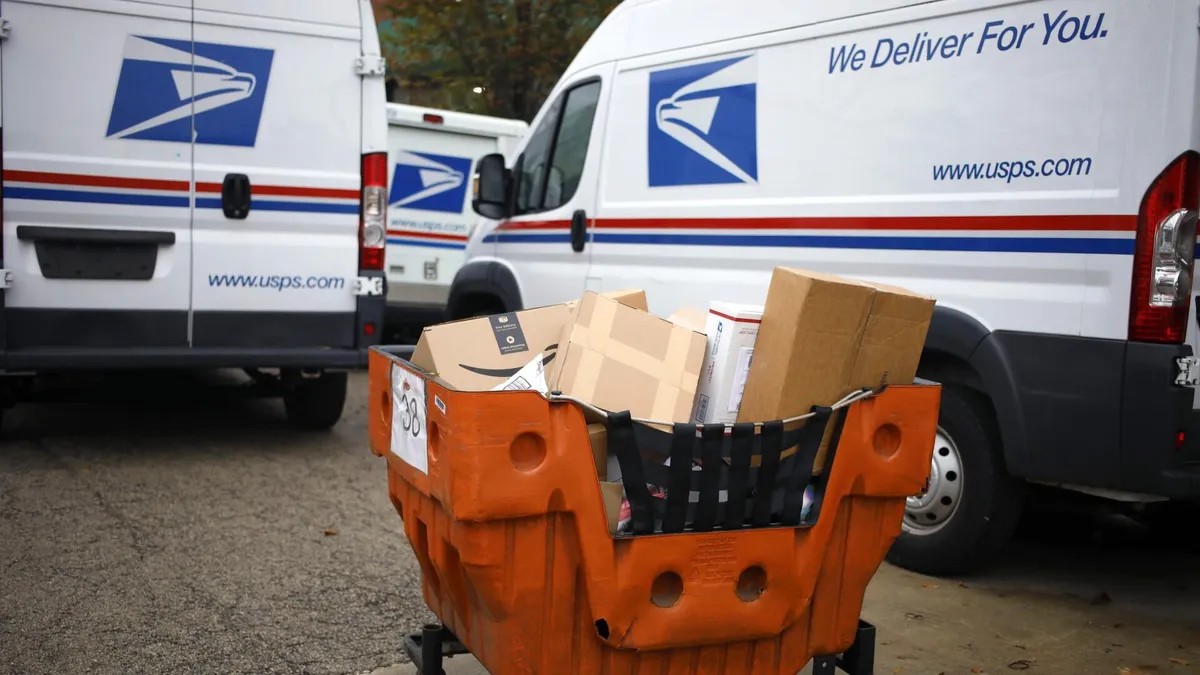
The United States Postal Service (USPS) is set to impose an 8% surcharge on most package services starting April 26th, a move directly linked to escalating transportation costs and the agency’s long-term financial instability. The temporary fee, pending approval from the Postal Regulatory Commission, will apply to Priority Mail Express, Priority Mail, USPS Ground Advantage, and Parcel Select shipments.
The Roots of the Problem
The USPS has operated at a significant financial deficit for nearly two decades, accumulating over $100 billion in losses since 2007. This isn’t simply a recent issue; the Government Accountability Office added the agency to its “High Risk List” in 2009. The core of the problem lies in a congressionally mandated six-day delivery schedule to over 170 million addresses, rendering approximately 71% of delivery routes unprofitable.
The current surcharge is, in part, a direct response to rising fuel costs, a consequence of geopolitical instability in the Middle East and broader global energy market pressures. While private competitors like FedEx and UPS have long utilized fuel surcharges, the USPS’s unique regulatory constraints have prevented it from doing so until now.
What the Surcharge Means for Customers
Shoppers and small businesses will bear the brunt of this increase. Higher shipping costs will likely translate into higher prices for goods purchased online, potentially squeezing already tight margins for many retailers. The temporary nature of the surcharge — set to expire on January 17, 2027 — suggests the USPS intends to evaluate its necessity based on future market conditions.
The Bigger Picture
Postmaster General David Steiner recently warned Congress that the USPS faces insolvency by next February, requesting regulatory relief to allow broader price increases. The agency’s financial woes highlight a systemic issue: a critical public service operating under outdated regulations that prevent it from adapting to modern economic realities.
The USPS’s situation raises questions about the future of mail delivery in the US. Without significant reform, the agency’s continued financial struggles will inevitably lead to further service cuts, higher prices, or even potential privatization. This surcharge isn’t just an inconvenience; it’s a symptom of a deeper, systemic crisis within the nation’s postal system.