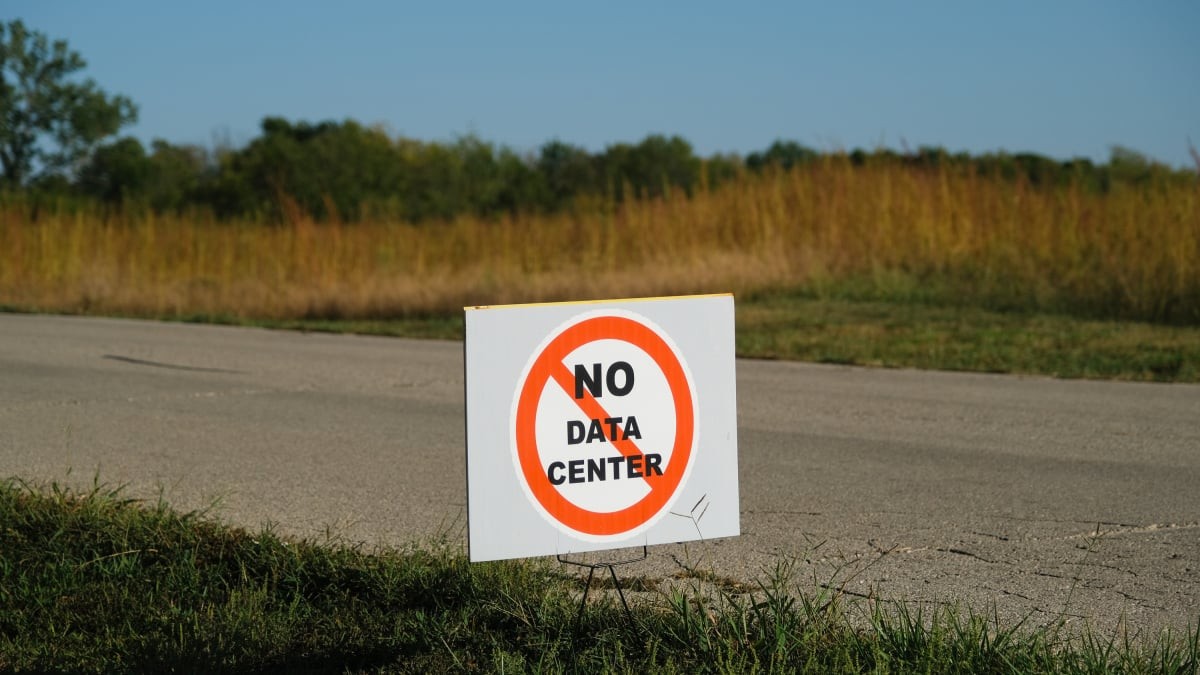
The residents of Festus, Missouri, have sent a clear message to their local government: development cannot come at the expense of community consent. In a recent local election, voters ousted four incumbent city council members following their approval of a massive, controversial $6 billion data center project.
A Political Shakeup in Festus
The election results mark a significant turning point for the town of 12,000. The ousted council members had all voted in favor of a deal that would see 360 acres of land cleared to make way for a data center operated by an undisclosed company.
The timing of the council’s decision was particularly contentious, as the vote took place on March 30—just one week before the election. In response, a grassroots movement mobilized quickly, successfully campaigning to replace one incumbent with a political newcomer dedicated to opposing the project.
The conflict is far from over. Festus residents are currently pursuing several avenues of resistance:
– Recall Petitions: Efforts are underway to remove the city’s mayor and the remaining council members from office.
– Legal Action: A lawsuit has been filed against both the city and the project’s developer, alleging that the deal was reached through “secret dealings.”
The Broader Trend: The “AI Boom” vs. Local Communities
The situation in Missouri is not an isolated incident; it is part of a growing national tension between the rapid expansion of artificial intelligence infrastructure and the communities that host it.
As tech giants race to build the massive data centers required to power AI, local populations are increasingly concerned about the environmental and economic costs. These concerns typically include:
* Energy Consumption: Data centers require immense amounts of electricity, often straining local power grids.
* Land Use: Large-scale projects can consume vast tracts of land, altering local ecosystems and landscapes.
* Resource Strain: The demand for water and infrastructure can impact the quality of life for permanent residents.
This friction has led to significant policy shifts. In 2025, advocates successfully stalled dozens of such projects across the country. To mitigate public backlash, a coalition of tech companies recently signed a non-binding “Ratepayer Protection Pledge” with the White House, promising to cover the energy costs associated with future AI projects to prevent local residents from footing the bill.
New Models of Local Control
Communities are moving beyond protest and toward formal legislative safeguards. A notable example occurred recently in Port Washington, Wisconsin, where voters approved a landmark referendum.
This new rule mandates that any large-scale data center project—specifically those costing at least $10 million and receiving tax benefits—must be approved by a local public vote. This shift suggests a growing demand for “veto power” at the municipal level, ensuring that massive corporate investments undergo direct democratic scrutiny.
The backlash in Festus highlights a critical friction point in the digital age: while AI infrastructure is essential for the future of technology, the physical footprint of that technology is increasingly being contested by the people living in its shadow.
Conclusion
The events in Festus reflect a rising trend of local resistance against large-scale tech infrastructure. As data center projects expand, the battle over land use, energy costs, and political transparency is likely to become a defining issue for small towns across the country.