The Consumer Electronics Show (CES) in Las Vegas remains the world’s most influential technology event, and 2026 was no exception. From groundbreaking mobile devices to bizarre but intriguing gadgets, this year’s show highlighted major trends in foldable technology, AI integration, and even robot boxing. A panel of over 40 journalists from leading tech publications – including Mashable, CNET, PCMag, ZDNET, and Lifehacker – rigorously selected the “Best of CES 2026” winners, which reveal the industry’s direction for the year ahead.
The Rise of Foldable Devices
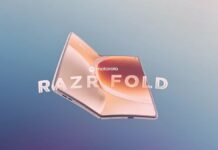
Samsung’s Galaxy Z TriFold took home the award for Best Mobile Tech, solidifying the company’s dominance in the foldable market. This device isn’t just an incremental upgrade; it’s a true hybrid, offering a pocket-sized phone that unfolds into a sprawling 10-inch display. This practical design addresses previous concerns about bulkiness, making it a compelling two-in-one device for productivity and entertainment.
The trend towards foldable screens isn’t just about novelty. It’s about rethinking how people interact with mobile devices, offering a larger, more versatile experience without sacrificing portability.
AI Everywhere
Artificial intelligence dominated much of the show, moving beyond cloud-based solutions to on-device processing. Lenovo’s Motorola Qira, awarded Best AI, exemplifies this shift with a hybrid approach combining local and cloud AI capabilities for a seamless experience across multiple devices. This is significant because it prioritizes privacy and accessibility, allowing users to leverage AI without constant reliance on internet connectivity.
This trend reflects a growing demand for more private and efficient AI experiences. Consumers are increasingly wary of data collection, and manufacturers are responding by pushing processing power directly into devices.
Unexpected Innovations
CES also showcased a range of quirky, yet intriguing products. The Infinity bag, a purse with an embedded OLED display, was dubbed “delightfully unnecessary” but captured attention for its sheer novelty. Meanwhile, Dreame made a splash by unveiling a vast lineup of products beyond vacuums and hair dryers, including robot lawnmowers, smart rings, and even refrigerators, signaling the company’s ambitions to rival tech giants like LG and Samsung.
These seemingly random products highlight a core aspect of CES: experimentation. The show is a platform for companies to test the waters with unconventional ideas, some of which may become mainstream in the future.
Robotics and Automation
Robotics continues to evolve rapidly. The Unitree Robotics Humanoid Robot G1 even participated in a boxing match at CES, showcasing the advancements in humanoid robotics – though still far from matching human opponents. Meanwhile, the Ecoldbrew combines a portable grinder and brewer into a compact device, demonstrating the trend towards convenient, all-in-one kitchen gadgets.
These developments underscore the increasing integration of automation into daily life, from home appliances to entertainment.
Gaming and Entertainment
Gaming saw significant innovation with Lenovo’s Legion Pro Rollable Concept, which brings rollable OLED displays to portable gaming. The Samsung Music Studio 5 took the award for Best Audio, offering a compelling design with advanced features like the Samsung Seamless Codec for ecosystem compatibility.
The push for immersive gaming experiences and high-quality audio is evident, driving manufacturers to explore new form factors and technologies.
The Future is Wireless
Willo’s alignment-free wireless power technology, awarded Best Energy Tech, represents a major leap in wireless charging. The ability to deliver power over the air to multiple devices simultaneously, regardless of position, eliminates the need for charging pads and cables, hinting at a truly untethered future.
Dell’s Commitment to XPS
Dell reaffirmed its commitment to the XPS lineup with a refreshed design and recommitment to the brand, showcased at an unconventional venue: a casino wedding chapel. The updated XPS 16 and 14 models feature physical function rows, indicating a return to tactile controls favored by professional users.
The Tiny AI Revolution
The Tiiny AI Pocket Lab, the world’s smallest mini PC, made waves with its 80GB RAM and 1TB SSD storage. This pocket-sized AI supercomputer allows for intensive on-device processing without cloud reliance, prioritizing privacy and portability.
Overall Winner: Samsung Galaxy Z TriFold
The Samsung Galaxy Z TriFold was crowned Best Overall, embodying the most significant innovation at CES 2026. This foldable marvel merges smartphone portability with tablet-level productivity, redefining mobile device capabilities for the year ahead.
CES 2026 left no doubt that technology is accelerating towards more versatile, integrated, and personalized experiences. The innovations showcased this year are not just about building better gadgets; they’re about reshaping how we live, work, and interact with the world around us.