


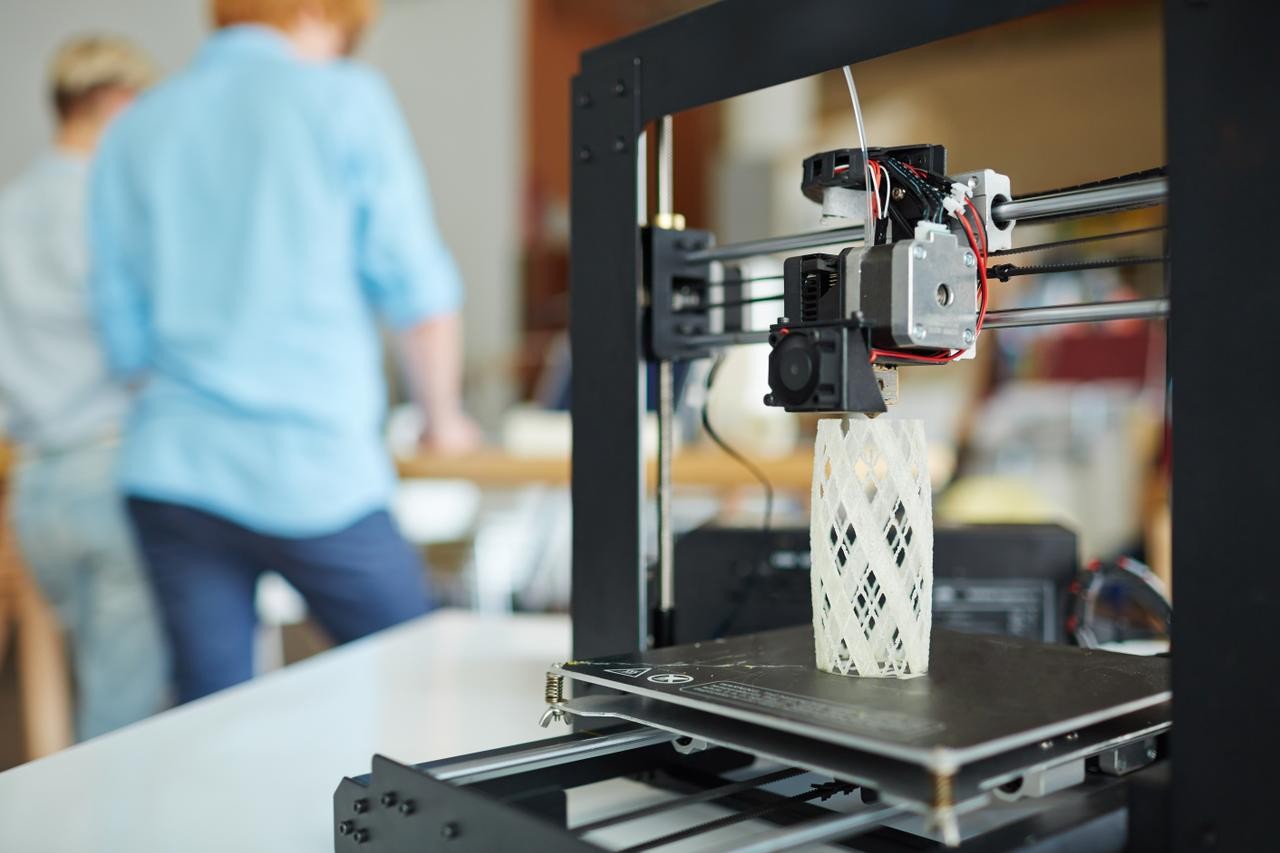
3D printing is additive manufacturing. Instead of carving material away like a lathe or CNC machine, it builds objects by adding material layer by layer. The process starts with a 3D digital file, sliced into horizontal layers. The printer reads these slices and deposits material accordingly. This technology creates everything from spare parts and prototypes to everyday objects.
What materials does 3D printing actually use?
The technique varies depending on the raw material. Fused Deposition Modeling (FDM) is the most common home method. It extrudes melted plastic filament, usually ABS or PLA, onto a build plate. For higher precision, Stereolithography (SLA) uses a laser to cure liquid thermosetting resins layer by layer. Continuous Liquid Interface Production (CLIP) also uses UV light to polymerize resin, but in an oxygen-controlled environment to speed up the process.
When you need metal or ceramic parts, the tech shifts to powder-based methods. Selective Laser Sintering (SLS) fuses layers of thermoplastic, metal, or ceramic powder using a laser. Selective Laser Melting (SLM) goes further, fully melting metal, plastic, or ceramic powders to create dense, solid parts. Each method suits different needs, from flexible phone cases to aerospace components.
Why is 3D printing changing industries right now?
The technology is evolving fast. Materials have expanded beyond basic plastics to include metals, waxes, inks, and even glass. Resolution, color reproduction, speed, and object size are all improving. In construction, giant printers have built houses in as little as 24 hours using a technique called contour crafting.
Medicine is another frontier. Bioprinting is emerging for creating implants, prosthetics, and eventually organs. In 2013, researchers successfully printed an artificial human ear using collagen and living cells. In the kitchen, 3D food printers can assemble dishes from liquid or semi-liquid ingredients. The main appeal there is total control over ingredient origin and composition.
How does the CAD-to-print workflow function?
3D printing is the logical next step after Computer-Aided Design (CAD). You design the object digitally, then print it. This is ideal for prototypes and experimental parts. Before mass production, you can test and refine the design. The benefits are tangible:
- Significant reduction in production time and cost
- Economies of scale for small batches
- Customization that fits specific consumer needs precisely
The precision of these techniques allows for complex geometries that traditional manufacturing struggles with.
Step-by-step: how to set up a 3D print job
You need a 3D file created in CAD software. First, visualize the object on your screen. Check the printer’s build plate level, connections, and stability. Ensure the computer connection is secure.
Next, load the filament into the extruder, often called the print head. The filament typically sits in a Bowden tube. Using two colors or two materials is possible, but it requires two separate 3D files and dual extruder heads. This setup is complex and usually demands experience.
Finally, start the print. Duration varies based on model size and settings. The filament melts, and the head deposits it automatically onto the plate. The digital design becomes physical reality.
How 3D printing is reshaping medicine and industry
The drop in hardware costs combined with steady technical progress pushed 3D printing out of the hobbyist garage and into professional workflows. Once a niche tool, it now handles tasks that seemed impossible just a decade ago. The applications spread fast because the technology became accessible enough for widespread adoption.
Bio-printing and medical prosthetics
Healthcare sees some of the most promising uses. Bio-printing allows engineers to fabricate biological tissues artificially. This goes beyond simple models. It involves building complex structures that interact with human biology.
Prosthetics represent another major win. 3D printers create custom limbs and dental replacements. The process is faster and often cheaper than traditional manufacturing. Patients get devices tailored to their specific anatomy rather than standardized parts.
Engineering, defense, and aerospace
The US military and firearms manufacturers already integrate 3D printing into their supply chains. It offers speed and customization that traditional machining struggles to match.
The automotive sector relies on it to stay competitive. Major brands use additive manufacturing to develop prototypes and lightweight components. The pressure to reduce weight and cost makes this technology indispensable.
Aerospace firms push the boundaries further. They print aircraft parts directly. Some projects even involve printing food items intended for space travel. The ability to produce specific components on demand reduces material waste significantly.
3D printing in aerospace is not just about prototypes; it is about final flight parts.
Concrete reduction in architecture and construction
The building industry, or BTP, benefits from a different angle. 3D printing drastically cuts concrete consumption. The technology prints walls with precise geometry, using less material than traditional pouring methods.
Speed is another factor. Construction processes accelerate when machines handle the structural framework. This shift reduces labor hours and waste sites. The end result is a more efficient build process with a smaller environmental footprint.
The technology is still evolving, but its grip on these sectors is firm. Whether it is a medical implant or a building wall, the principle remains the same: build exactly what you need, where you need it, with minimal waste.


