Android is not an OS.
At least not according to Google anymore.
They are calling it an intelligence system. And looking at the new Android 17 features — most tied to Gemini — the branding feels intentional. Less about the plumbing. More about the brain.
Google wants your phone to do the work. You do the living. It’s a shift from manual labor to agentic AI handling your schedule, your forms, and your chores without you even asking twice.
Is 2026 going to be the year they promised? Google says so. They’re setting the stage for The Android Show: I/O Edition with heavy hype. They have to. Apple and Microsoft are watching. This is their move before the others jump in.
Gemini Gets a Personality
Here’s the deal with Gemini Intelligence. It learns. It works. It tries not to bug you.
Last year Google pushed Material Expressive, this flamboyant new design language. This time around, the AI is quieter. It melts into the background until you need it. You’ll see visual cues when the system is thinking or listening. Subtle. Intentional. No flash for flash’s sake.
It looks good. Finally, form doesn’t kill function.
“The visual updates are meant to attract attention, not create distraction.”
Tasks You Can Actually Offload
This is where the agentic part shines.
You don’t just talk to Gemini. You let it do stuff.
- Chrome Auto Browse arrives in late June. Tell it to plan a party or find that out-of-stock sneaker. It hunts. You relax.
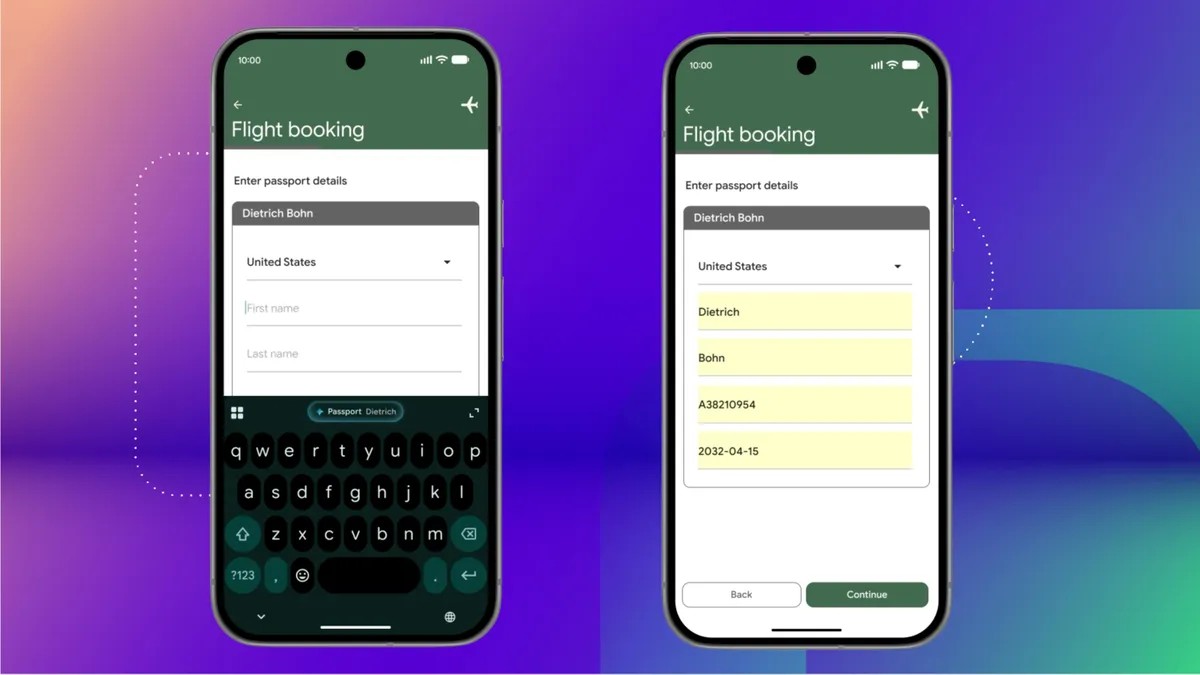
- Intelligent Auto-fill. Forget just names and addresses. Gemini fills in passport numbers. License plates. One tap. It’s the same UI but smarter underneath.
- Create My Widget. Remember when widgets were static boxes of boring data? Ask Gemini for a custom one. Maybe it shows you three high-protein meals for the week, updated daily, right on your home screen. Not tied to an app. Just useful.
It’s a good start. We need to test it, but the potential is real.
Small Wins, Big Differences
Google is tweaking the edges, too.
Emoji get a 4,000-piece makeover. More realism. Better detail. You can finally tell the ramen noodles from the toppings. High-def faces, rolling out to Gboard, Gmail, and YouTube.
Device switching finally makes sense. Transferring from iPhone to Android used to be a headache. Look at CNET’s Carly Marsh. She hated transferring to a Motorola Razr last year. Not anymore.
Your home screen layout transfers now. Your shortcuts. Even your passwords. It removes the friction. Why stay in a walled garden if moving out feels like work?
Instagram gets native love too. Meta and Google partnered up. Android phones now get Ultra HDR photos. Real night mode inside the app. Native video stabilization. Flagship Androids might actually beat the iPhone now.
Plus, Smart Enhance. Blurry photo? AI fixes it. New audio tool lets you split sound tracks. Boost the vocals, kill the background noise. Exclusive editing tricks that don’t require a laptop.
And reaction videos? Easier. Record your face and the screen at once. No editing. Virtual green screen built in. Just press record.
Writing with Your Voice
Gboard got something called Rambler.
Speech-to-text just got smarter. Context-aware, too.
Try this. You’re dictating a grocery list. “Eggs. Milk. Bananas.” Then you change your mind. “Actually, no. I don’t need the bananas.”
Gboard understands. It drops the bananas from the list. You ask for bullet points. It does that too. Add emojis. Done.
It’s not just transcribing words. It’s reading the room.
Quick Share keeps expanding. Apple’s AirDrop compatibility is coming to more phones. Though hardware limits exist. Still works in some apps like WhatsApp, though, if you’re stuck with older gear.
Pause Point is new for Digital Wellbeing. Label an app “distracting.” Try to open it. The phone blocks you. Offers a breathing exercise. Or a photo gallery to scroll instead. You can still set a timer, sure. But it stops the mindless swipe before it starts.
The Future is Quiet
Android 17 isn’t just an update. It’s a philosophy change.
Google is pushing AI from chatbot to assistant. From passive tool to proactive partner. It’s practical. It’s quiet.
The “Intelligence System” launches later this year. Whether it lives up to the hype remains to be seen. But the ambition? That’s clear.
We’ll have to wait. See how it actually works.