Let’s be honest. The digital ether is clogged. We are drowning in information, content, noise. Millions search for emotional clarity every single day. They want relationship insights, life direction, actual understanding.
Most platforms fail them.
Why? Because traditional astrology apps are broken. They offer the same stale menu:
- Generic horoscopes.
- Mass-produced predictions.
- Content that feels cold, distant.
- UI that screams 2012.
- Zero personalization.
You read it. You scroll. You forget it. No long-term value. No connection. Just data consumption.
QUINTESSENCE WAY aims to break this loop.
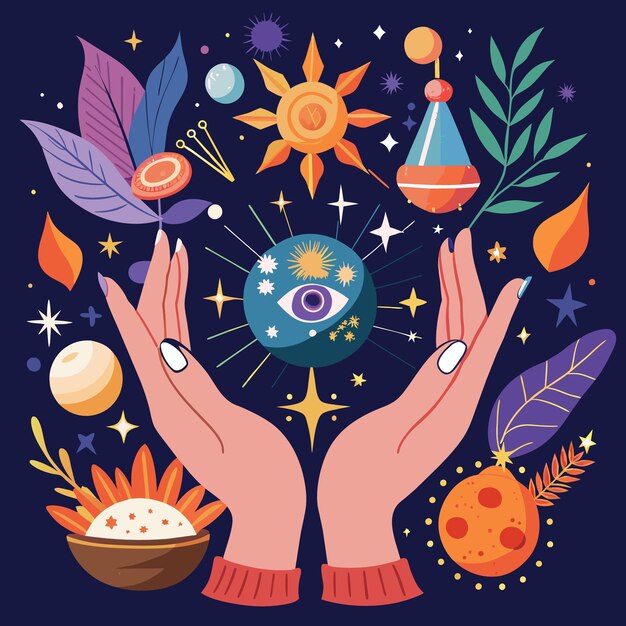
This is not just another star-chart reader. It is an attempt at emotional immersion. The core thesis: users do not want a broadcast. They want a mirror. A reflection that feels specific. Relevant. Real.
People aren’t buying predictions. They are buying emotional validation and narrative cohesion.
The Problem With Scale
Most competitors prioritize scale first. Personalization? That comes later. Maybe never. It is treated as an afterthought, a “nice-to-have” feature buried in settings.
QUINTESSENCE WAY flips this.
Personalization is the product. The goal is emotional relevance. Not just “What will happen?” but “How does this fit into your specific chaos?”
- Personalized readings, tailored to individual data points.
- Relationship dynamics, mapped out specifically for your connection.
- Compatibility that feels less like math, more like insight.
Does it work? Maybe. The skepticism remains. But the approach is sharper. It targets the gap between “fortune teller” and “digital therapist.”
Why Emotion Drives Retention
Traditional platforms churn. Users leave after three checks. Why? Repetition breeds indifference. The content feels recycled.
Retention requires evolution.
This platform structures engagement around:
- Evolving personal narratives.
- Recurring emotional journeys, not one-off readings.
- Subscription models that deliver progression, not just content.
It positions itself at the intersection of self-development, emotional insight, and digital personalization. This is a broader claim. A bolder one. It treats the user’s emotional state as the primary metric for success.
- Self-development tools integrated into readings.
- Emotional insight framed as actionable feedback.
- Digital personalization that scales without feeling automated.
The risk? It relies entirely on the algorithm’s ability to mimic empathy. If the code fails to feel human, the illusion collapses.
The goal isn’t to predict the future. It is to clarify the present.
The Verdict
It is not just an astrology app. It is an engagement ecosystem. A subscription service for your emotional baseline.
Will it replace tarot? Perhaps not. But it targets the frustration with the status quo. The hunger for something yours. Something that remembers who you were yesterday.
The market is noisy. This tries to whisper instead of shout. Whether it works depends on one thing: does the output feel true to the user? Or does it feel like sophisticated noise?
You decide. But at least now, the question is more interesting than “Is Tuesday good for romance?”