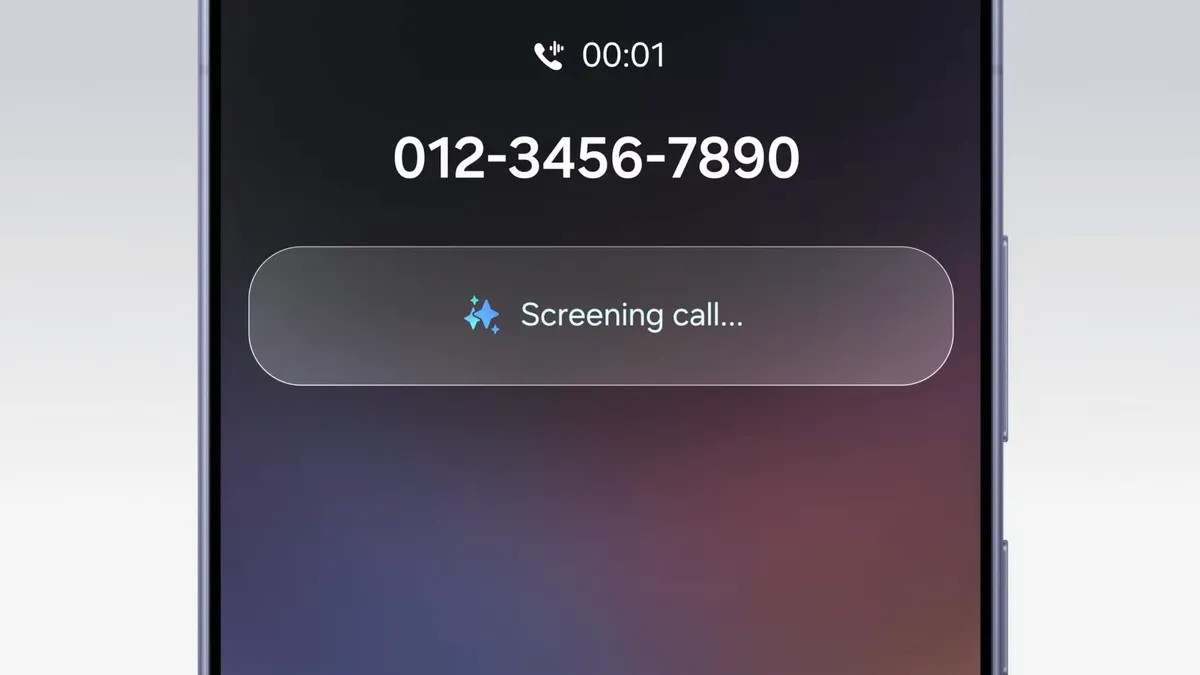
Samsung is rolling out an AI-powered call screening feature with its new Galaxy S26 series, a practical application of artificial intelligence that stands out in a market saturated with often-useless AI integrations. The feature addresses a key pain point for smartphone users: unwanted calls from spammers and telemarketers.
The Problem with AI on Smartphones
For the past three years, tech companies have aggressively pushed AI features into smartphones, yet adoption remains low. A recent CNET survey found that only 11% of US smartphone owners upgrade specifically for AI capabilities, and even fewer use AI for writing or photo editing. This suggests a disconnect between what tech companies think users want and what users actually need. Many AI functions feel like unnecessary bloatware rather than genuine improvements.
How Samsung’s Call Screening Works
The Galaxy S26 series’ new call screening feature uses AI to answer unknown calls on your behalf. It summarizes the call in real-time, providing you with a concise overview before you decide whether to take it. This eliminates the need to sift through voicemails or ignore calls altogether, saving time and reducing frustration.
This is especially valuable given the rise of phone scams. Scammers buy phone numbers online to push fraudulent Medicare plans or fake car insurance warnings. AI-powered call screening can serve as an effective defense against these tactics.
Why This Matters
The rollout of Samsung’s call screening feature is a welcome step towards more practical AI applications. Unlike chatbots or AI image generators, which often produce low-quality results or contribute to online misinformation, this feature solves a real-world problem in a direct way.
“We’ve moved beyond the shock and awe of AI on smartphones,” the author writes. “In 2026, I want to see more features like this—not slop machines and unnecessary bloatware.”
Google already implemented similar spam-fighting tools in Android last year, highlighting a broader industry trend of addressing unwanted calls through AI. But Samsung’s integration feels more focused and useful than many other AI gimmicks.
The Future of AI on Smartphones
The success of features like call screening could shift the focus in smartphone AI development. Users are tired of features that add little to no value; instead, they want tools that solve concrete problems efficiently. Samsung’s move suggests that the future of AI on smartphones may lie not in flashy innovations, but in quiet, practical utility.
This feature demonstrates that AI can be genuinely helpful when applied thoughtfully, and it sets a new standard for what users should expect from their devices.