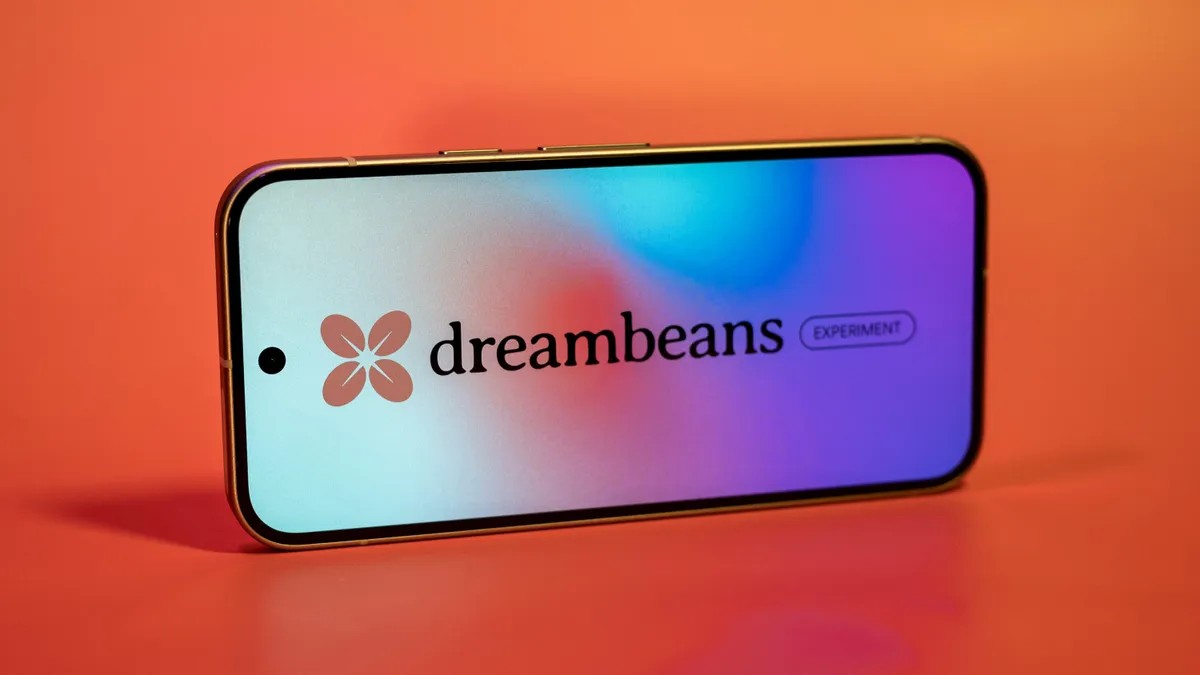
Most AI feeds feel like digital vomit. Endless scroll, algorithmic sludge, generic images. Boring. Then comes Dreambeans. This experimental app from Google Labs isn’t trying to keep you hooked for hours. It’s designed to let you off the hook. Fast.
I’ve spent months poking at chatbots and testing vibe-coding tools. None felt useful. Until now.
Dreambeans is part reminder app, part shopping assistant, part private journal. It pulls data from your Google ecosystem—Gmail, Photos, Calendar, YouTube—and condenses it into a small, curated feed. Only ten to fourteen “stories” per day. No following friends. No public posts. Just a quiet, pastel-colored timeline built specifically for you.
How To Use Google’s Dreambeans AI Feed Without Feeling Creeped Out
The first thing you notice is the visuals. Then you realize how it got there.
To make Dreambeans work, you grant access to your digital life. My initial reaction? Mild terror. The AI generates watercolor-style portraits using images from your Google Photos. When I opened the app, I saw a hyper-realistic, slightly uncanny version of myself staring back from the feed tiles.
It was accurate. Too accurate.
Here’s the thing, though. The creepiness faded by day two. Why? Because the utility outweighed the icky feeling. Dreambeans distills your digital footprint into actionable, inspiring tiles. It connects a shopping receipt for Adidas sneakers in Gmail to a Pinterest-style mood board of how to wear them. It pairs a local concert ticket from your calendar with clear bag policy tips for that specific arena.
“Dreambeans is that morning coffee for your mental state,” Gozde Oznur. “It processes everything overnight.”
You control the tap. If the AI goes too hard on your private data, you cut it off. Turn off Photos access? Fewer faces in the feed. Dislike walnut loaf recipes? Use the chat feature to ban nut-based content. It’s not perfect. It’s just flexible.
Which Google Apps Should You Connect To Dreambeans?
You don’t have to share everything. But the experience suffers if you don’t.
- Google Photos: Powers the visual aesthetic and personal portraits.
- Gmail/Calendar: Feeds upcoming events, reminders, and receipts for shopping context.
- YouTube: Suggests content based on watch history.
- Google Search: Surfaces news or hobbies you’ve been quietly researching.
The tech stack prioritizes relevance over novelty. It won’t show you random cute cats. It shows you what matters today. Did you sign up for a spin class playlist? It’ll surface the mix. Is Apple holding WWDC? It’ll highlight key updates.
Is The Dreambeans Waitlist Worth The Google One Ultra Price Tag?
Currently, Dreambeans is gated behind a paywall.
To test it properly, you need Google One Ultra ($100/month). That’s steep. For most, the cost-prohibitive price makes this a niche tool for now. But here’s the loophole: a waitlist. You can sign up for future free access if you’re willing to wait.
Is it worth $100 a month? Probably not. The real value proposition is in the design of the AI. Google is proving that personalized intelligence doesn’t have to be invasive or infinite.
The app limits itself intentionally. No bottomless scroll. Just ten tiles. You glance. You get inspired. You close it. Back to real life.
I used it alongside my regular workflow. It didn’t add hours of doom-scrolling. It added five minutes of clarity. My interests are messy—coding tutorials mixed with cold foam coffee tips and local bookstore openings. Dreambeans organized that chaos into a single, digestible visual feed.
How To Optimize Your Daily AI Stories
Feedback loops matter. Dreambeans learns fast, but only if you teach it.
- Dislike aggressively: Hate the recipe? Tap the dislike button. Add a note: “Allergic to nuts.”
- Check the source: Click any story. It often links back to the original search or email. This verifies why the AI chose it.
- Accept imperfections: Sometimes the AI pulls info from months ahead. A concert in October showing up in June is annoying. Not a bug. A feature of “upcoming event” scanning. Ignore it, or dismiss it.
The images are striking. My blue vest? Accurately rendered in a tile. My gold necklace? There too. Small details. But they prove the model isn’t just hallucinating; it’s watching.
Why Choosing AI Access Is A Rare Win For User Agency
Google’s AI is everywhere. It’s in Search. It’s in Gmail summaries. You can’t escape it.
Dreambeans flips the script. You choose to enter.
This is the core differentiator. In an era where AI integration feels forced, opting in feels empowering. You decide how much context Google gets. You decide if the trade-off—your data for your convenience—is fair. For me, it is. The alternative is wading through notifications, emails, and tabs alone.
“We don’t want you to scroll infinitely,” Oznur said.
That restraint is refreshing. The app ends. Your day continues.
Is it a landmark shift? Maybe not. It’s a small experiment. A pastel-colored whisper in a loud digital shout. But it shows what personalized AI could be: helpful, bounded, and yours.
I’m still deciding if I’ll stick with it long-term. The waitlist exists. The Ultra price tag burns a hole in my wallet. But the habit formed easily. I check my texts. I check Dreambeans. I’m out the door.
It’s quiet. It’s efficient. And for once, the AI didn’t feel like a salesperson.
Will it change how you handle your morning routine? Probably. As long as you don’t mind being watched, closely, by a very polite robot.