It’s not a boat. It’s not a plane. And it doesn’t really touch the ground.
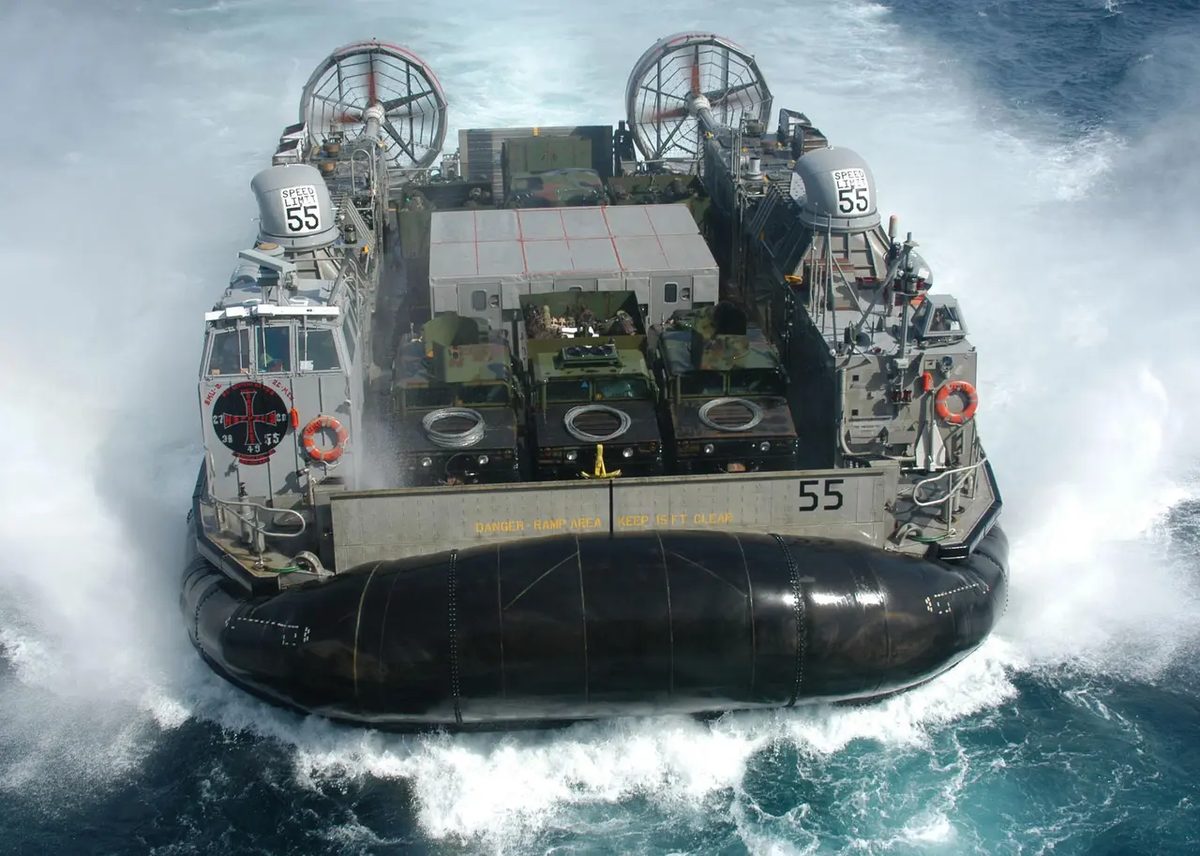
An aerofoil, or more commonly known as a hovercraft, is a vehicle that defies the friction we’re used to. It uses an air cushion for lift and air propulsion for movement. Invented in 1953 by engineer Christopher Cockerell, it remains one of the most versatile transport machines ever built.
The definition of the term varies depending on who you ask. The World Intellectual Property Organization calls it an “air-cushion vehicle.” The French government’s official journal, back in April 2008, preferred “vessel with lift.” But the mechanics are universal. The system relies on a skirt that traps air underneath the hull. That pressurized air lifts the entire vehicle off the surface.
Propulsion comes from an air propeller. By directing the thrust, pilots steer the craft. It’s simple physics. It’s also why these things can go almost anywhere.
Where Do Hovercraft Operate?
Most people associate hovercraft with the English Channel. The route between Dover, UK, and Calais, France, was its claim to fame. For over 30 years, these air-cushioned vehicles shuttled passengers across the water. Then the Channel Tunnel opened in 1994. The service ended in 2000. Competition killed the commercial route.
But limiting a hovercraft to water is a mistake. That’s not what they’re best at.
Because they float on a layer of air, they don’t care about the surface underneath. If it’s flat and lacks large obstacles, the vehicle can glide over it.
This makes hovercraft ideal for:
- Ice sheets
- Deep snow
- Sand dunes
- Shallow wetlands
You’ll find them in the Arctic. You’ll spot them in Antarctica. They are regulars in polar expeditions because they don’t break through thin ice like a boat would, and they don’t sink into soft snow like a car.
Why It’s Not Just a Novelty
The term hovercraft comes from the English language, but the engineering is British. Cockerell’s invention solved a specific problem: how to move heavy loads over terrain that absorbs wheels or breaks hulls.
While the Channel crossing was the most visible application, it was never the only one. The vehicle’s ability to transition between land and water without stopping makes it unique. There is no other mass-transit vehicle that operates with such low ground pressure.
Today, they aren’t just museum pieces or tourist attractions. They remain tools for emergency response, military logistics, and scientific research in places where roads don’t exist.
The technology is older than most of the readership of this magazine. Yet, the basic principle remains unchanged. Trap air. Lift up. Push forward.
It’s a reminder that sometimes the simplest engineering solves the hardest terrain.