There is a panic in Silicon Valley. Not the existential doom kind. The kind that involves checking your contract fine print and realizing you might just be the product.
For years, giants like OpenAI and Anthropic have been pitched as neutral utilities. Pure intelligence on tap. But now the narrative is cracking. Critics from venture capitalist Jason Calacanis to Palantier CEO Alex Karp have been shouting warnings about the “Trojan horse” effect. The idea is simple but terrifying. As enterprises feed sensitive business secrets into these proprietary models, they are teaching them. Training them. Giving away trade secrets for the promise of a smoother workflow.
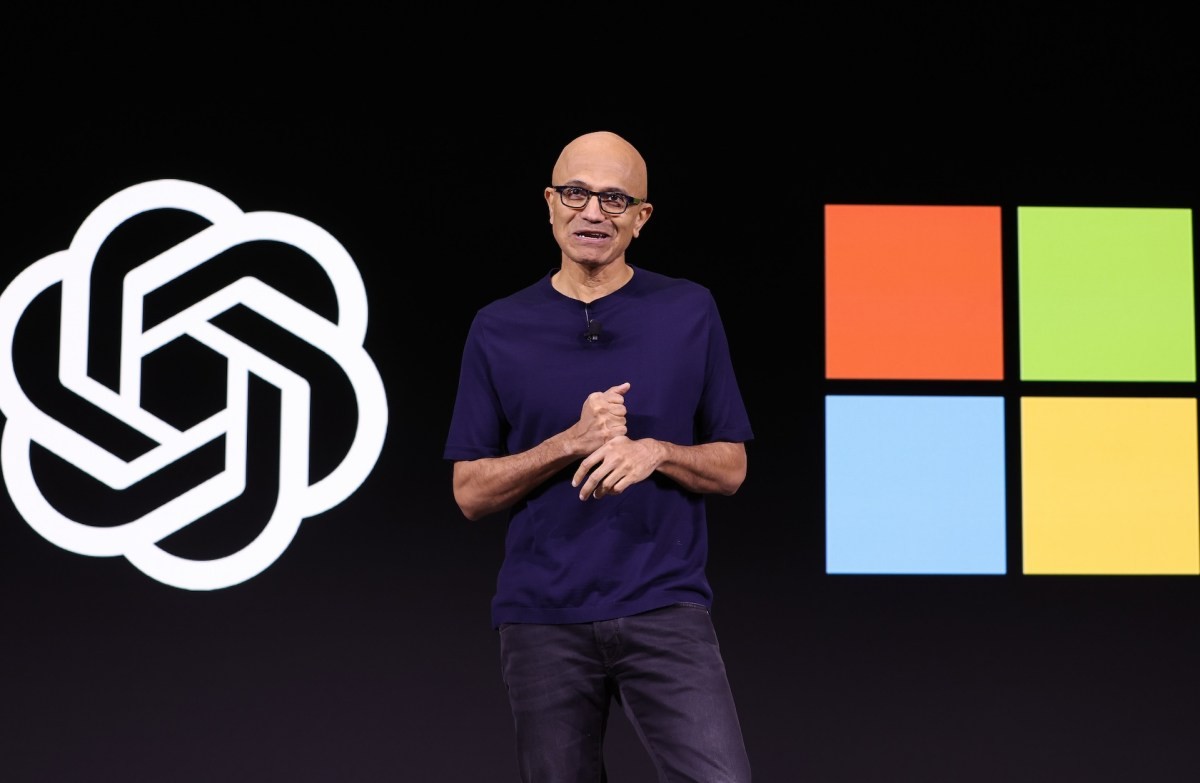
Satya Nadella joined the chorus Monday.
And he made it personal.
“You essentially pay for intelligence twice. Once with money. And again with something even more valuable: the proprietary knowledge you must reveal.”
Think about that. You pay the API tokens. Then you pay with data. Every prompt. Every tool integration. And specifically every correction.
Nadella points out a nasty truth. When an employee corrects a model’s mistake, they are distilling institutional know-how. That error correction? That is the nuance of your business. That is the secret sauce. You are literally handing competitors the blueprint while thinking you are just getting an answer.
Is it fair then?
Nadella thinks model makers have a problem with consistency. They scrape the entire internet to build their base models. Fair use. That’s their argument. But then they slap restrictive terms on anyone trying to “distill” their own insights from the output. Distillation means taking those outputs to train a smaller, cheaper model that mimics the original. It is how knowledge propagates. But if the lab keeps the source code closed and the usage logs secret? That’s not an open marketplace. That is a walled garden where the gardener picks the fruit you planted.
His solution smells like cloud infrastructure sales.
He wants you to own your data. Prompts, feedback, all of it. He suggests building “proprietary learning environments.” Conveniently? On a cloud provider. Maybe Microsoft’s Azure. He also pushes for “orchestration layers.” Think of them as switches. Flipping between different AI models easily. Not stuck with one vendor. Locked in. Trapped.
There is an unspoken subtext here. It whispers the word open source.
Nadella didn’t say it explicitly. But the industry is already moving that way. Idit Levine at Solo.io sees it in her customers. Big companies with real data centers are done playing house with black boxes. They want control.
They ask: why pay for 100% when 90% does the job and lives on my own server?
The shift is accelerating. OpenRouter and Vercel report surging traffic toward open models. Last month, nearly a third of traffic on Vercel went to open options. Why? Security. Cost. But mostly sovereignty. You keep the data. You keep the insights.
Nadella sums it up with a line that sounds more like a revolutionary pamphlet than a cloud CEO memo.
“In consuming intelligence, you are creatingintelligence. And what you create should bel to you.”
The warning is out there now. The question is whether the fear is finally strong enough to change how we buy AI. Or if convenience will always win over ownership. Time will tell.