Scanners have quietly become essential hardware for the modern remote worker. They are no longer niche peripherals but standard issue for anyone who needs to digitize paper trails. While scanner technology powers everything from high-speed office copiers to specialized publishing gear, the flatbed model remains the workhorse for most consumers. If you are trying to figure out how to digitize old documents without buying expensive enterprise equipment, understanding the flatbed scanner is the logical starting point.
To understand where you stand, it helps to know what else is out there. Sheet-fed scanners look like small printers. They pull paper through a fixed head. Handheld scanners are essentially light wands. You move them across the page. The image quality often suffers. They are okay for quick text grabs but bad for photos. Then there are drum scanners. These belong in publishing houses. They use photomultiplier tubes and glass cylinders to capture insane detail. Most home users will never touch one. The technology is overkill for scanning a receipt or a family photo album.
The goal is simple. Convert light into data. Optical Character Recognition (OCR) software can even read that data. You get a file. You can edit it. You can host it on a website. You can print it again. The mechanism changes, but the principle stays the same. Light hits the source. Sensors catch the reflection. The computer makes sense of the signals.
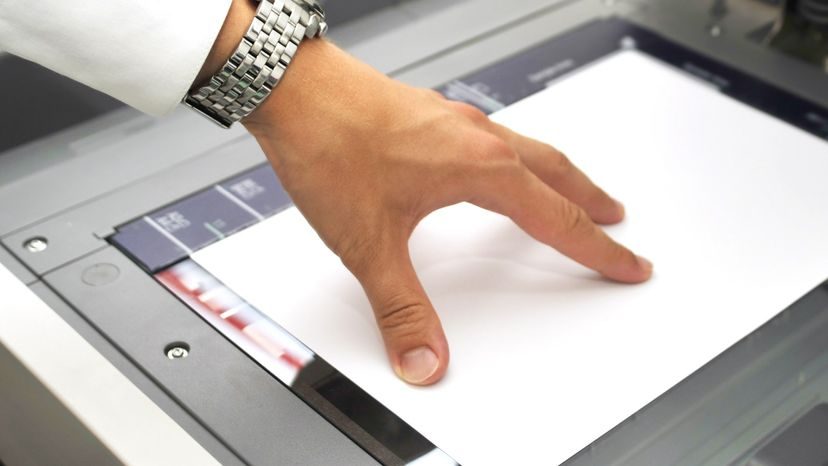
This guide focuses on the flatbed scanner. It is the most versatile option. You place the document face down on a glass platen. A motorized bar moves underneath. The same basic logic applies to other types, but the flatbed is the safest bet for mixed media. We will break down the anatomy of the device. We will explain why resolution matters more than you think. We will decode bit depth and interpolation without the jargon. We will also clarify what TWAIN actually means for your software compatibility.
The mechanics of a flatbed scanner might look simple. A glass pane. A light source. A lens. A sensor. But the interaction between those parts defines the quality of your digital copy. Misunderstanding any of these components leads to blurry scans or wasted time.
Let’s look at the hardware that makes this possible.