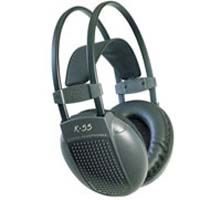
Dynamic drivers work in most headphones on the market, but how the drivers sit on your head affects your listening experience. There are three basic models, and knowing the differences between them is the key to finding a pair that doesn’t feel like a vice and fail to block out the world when you need it.
The On-Ear Reality
Headphones are usually sold as on-ear or open-back models that sit lightly over the outer ear rather than surrounding it. Ear cups are typically padded with a soft material and designed to rotate, distribute pressure and reduce hot spots when worn for long periods of time.
This design choice involves significant trade-offs. Since the driver is sits directly on the ear, the seal is not perfect. Sound leaks out and into the room, but ambient noise leaks into the room. If you’re looking for isolation, this style is usually not the answer.
Sealing is important: Why fit determines sound
Over-ear headphones, sometimes called over-ear headphones or closed-back headphones, are worn around the ear. They just don’t sit. They create physical barriers. This design traps sound inside and eliminates external noise. No leaks. There are no distractions.
But there are also compromises. This airtight seal adds volume. These headphones tend to be heavier. What is your weight? Your neck may start to hurt after a few hours. Prioritizing insulation compromises comfort.
Then there is the on-ear option. Also known as headphones or in-ear headphones. The difference is subtle, but crucial. Earplugs are located in the ear canal. There is no air tightness. Sound leaks. There will be noise. It’s very relaxed.
Channel type headphones are different. Slide deep into your ear. It’s like earplugs. Forms a tight airtight seal. This is where the magic happens. The bass sounds stronger. Details will appear. But only if it perfectly fits the shape of your ear. Loose seals can ruin your experience.
Why do musicians prefer channel headphones? Because they need to hear every nuance. Even the breath before the note. A little rope crackle. Earplugs won’t cut it. I need that sticker. This isolation is essential.
So which one should you choose? If you want to immerse yourself in music without worrying about weight, use headphones. If you need portability and precision, channel headphones are the way to go. Make sure it fits correctly. Because no skill can fix a bad seal.
Noise reduction physics
So how do they actually do it? This is not magic. This is a concept in physics specifically called destructive interference.
Think of it like waves in a pond. Throwing two stones creates a ripple. Sometimes they create bigger waves. Sometimes, with perfect timing, they cancel each other out and keep the surface of the water calm. Headphones also use the same acoustic principles.
Active Noise Cancellation (ANC) works by creating a “negative” version of the ambient noise you hear. This noise reduction signal is the exact opposite of the external sound. When the two meet in the ear cup, they collide and cancel each other out. The result? Silence.
But this is not a simple copy and paste job. The headphones must first hear the surrounding sounds. The built-in microphone picks up external sounds such as engine rumble and wind sounds. The headphone processor analyzes these sounds immediately. It then produces an inverse wave equal to the amplitude of the incoming noise, but with its phase reversed by 180 degrees.
This process happens in real time. Every millisecond counts. If the timing is wrong, the cancellation will fail and the noise will get even louder. Therefore, high-end models use more powerful chips and better algorithms. They perform complex math problems every fraction of a second and keep you in your bubble.
“The microphone captures the noise, the chip calculates the opposite wave and the speaker plays the opposite wave.”
There are two main types of ANCs and it is important to understand the differences when making a purchase.
Feedforward ANC uses a microphone located outside the ear cup. They catch noise before it reaches your ear. This works well for steady, low-frequency sounds such as those from airplanes and air conditioners. However, it struggles with sudden, high-pitched noises as the system takes some time to react.
Feedback ANC places the microphone close to your ear in the ear cup. It measures the sound that actually reaches the eardrum and adjusts the noise canceling signal accordingly. In general, this is more accurate over a wider frequency range. Many high quality headphones use a combination of both forward and feedback methods to achieve optimal cancellation.
This technology has come a long way in the last five years. Early ANCs were heavy, used a lot of power, and often produced strange hissing sounds. Modern systems are quieter, smarter and more efficient. It can automatically adapt to different environments. You put them on, and they decide what to cancel. You take them off, and transparency mode kicks in and you will hear the barista call your name.
But it’s not a panacea. ANC is excellent at reducing consistent, low-frequency hums. It is less effective against sudden loud sounds like a baby crying or a door slamming. You can’t remove noise that’s already in your head, like music coming from another room through a thin wall.
Still, the daily commute, an open office and a flight change everything. The difference between loud and quiet isn’t just about comfort. It’s all about focus. This means you don’t have to raise your voice during the call. It’s about finally being able to hear the subtle details of the song without having to turn up the volume.
The catch? This costs money. And battery life. You use a computer that battles the world in real time. So yes, you need to charge them. But for most people