It’s getting expensive out there. Really expensive.
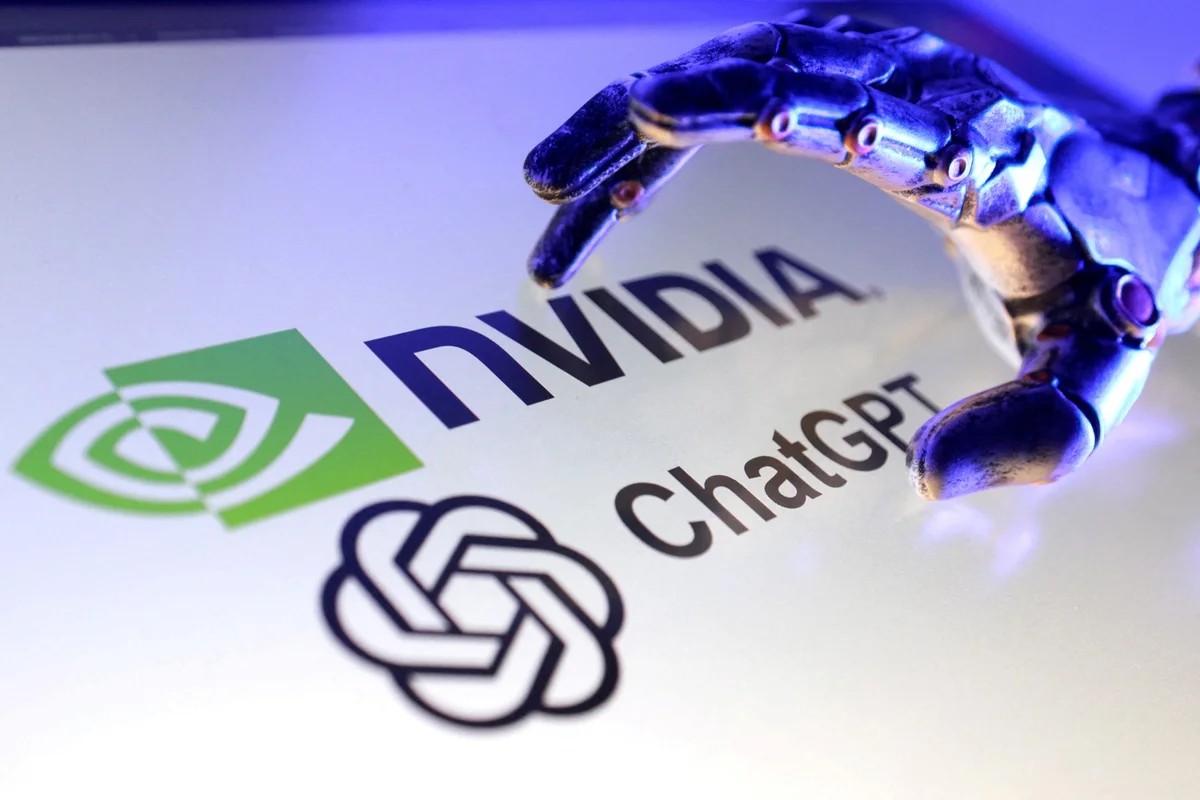
Nvidia is currently weighing a financing guarantee that could hit $250 billion. The goal? To help OpenAI secure a chunk of the largest artificial intelligence infrastructure project ever proposed. This isn’t just a construction job. It’s a power move. A move that cements the chip giant’s dominance at the very center of this AI boom.
If this goes through, it changes the game for how superpowers like OpenAI build their future. And for Nvidia, it’s about locking in demand for years.
The Numbers Behind the 10-Gigawatt Beast
Let’s look at the scale. We are talking about a massive 10-gigawawatt data center being developed in Southern Ohio. It’s being built by an energy subsidiary of SoftBank. The total cost? Likely over $500 billion.
That includes the land, the power, and the chips.
Here is where it gets specific. According to the Wall Street Journal, Nvidia’s proposed $250 billion guarantee would back the lease and related debt. It won’t pay for the actual hardware. The AI chips cost extra. Nvidia is exploring a separate financing deal for OpenAI’s chip purchases. That number could reach $350 billion on its own.
So you have a $250 billion financial guarantee and a $350 billion hardware debt. Add in the physical infrastructure. You end up with that $500 billion total.
Is this sustainable? The industry seems to think so. Global spending on AI infrastructure is expected to surpass $700 billion just this year. Companies are throwing money at computing power like it’s going out of style.
Why Ohio? Why Now?
The location matters. The project is in Southern Ohio, but the power source is international. That’s a twist you don’t see often.
The first phase will come online in 2028. It will generate about 800 megawats of computing power. But where does that electricity come from? It’s a U.S.-controlled allocation. However, the funding behind it is Japanese.
Tokyo has pledged $33 billion toward a natural gas plant tied to a recent trade agreement. This financial backing allows the U.S. to provide the power needed to run the facility.
U.S. Commerce Secretary Howard Lutnick was involved in deciding access to this power supply. That’s not a small detail. The federal government is actively shaping who gets the juice.
Who Gets the Power?
OpenAI is currently the leading contender. They are the ones Nvidia is trying to help structure this deal. But they aren’t alone in the room.
Anthropic, Microsoft, and Google have also held discussions with Lutnic recently. They want in. They want the capacity. The race isn’t just for technology; it’s for physical resources. Real estate. Energy. Grid access.
For OpenAI, this is a pivot. Right now, they depend heavily on cloud providers. Microsoft. Amazon. Oracle. Building this facility would allow them to reduce that dependence. They could build their own infrastructure. Own their fate, essentially.
For Nvidia, the logic is equally straight. It locks in customers. It ensures that even if the market shifts, they have years of demand secured. They make the shovels during the gold rush. And right now, they want to control where the gold is mined.
The Bigger Picture
This deal highlights the strangeness of the current market. You have a Japanese investment firm funding a gas plant in the U.S. so an American AI company can use American power to run American chips. The supply chain is becoming a geopolitical patchwork.
Nvidia’s guarantee doesn’t involve paying for construction directly. It’s about reassuring lenders. It’s financial theater on a colossal scale. It signals confidence without risking the company’s balance sheet outright.
But does it guarantee success? Not necessarily. Projects of this size often face delays. Regulatory hurdles. Cost overruns. The 2028 deadline might slip. The power allocation could shift.
One thing is certain though. The gap between the companies building this infrastructure and those merely using it is widening. If OpenAI doesn’t secure this, they remain tethered to cloud providers who hold the keys to their AI’s potential.
The money is flowing. The decisions are being made in backrooms with Commerce Secretaries and Japanese investors. The hardware is ready.
Will the $500 billion price tag hold? Or will the numbers balloon beyond what even these tech giants can digest?
We’ll see what happens when the lights go on in Ohio.