


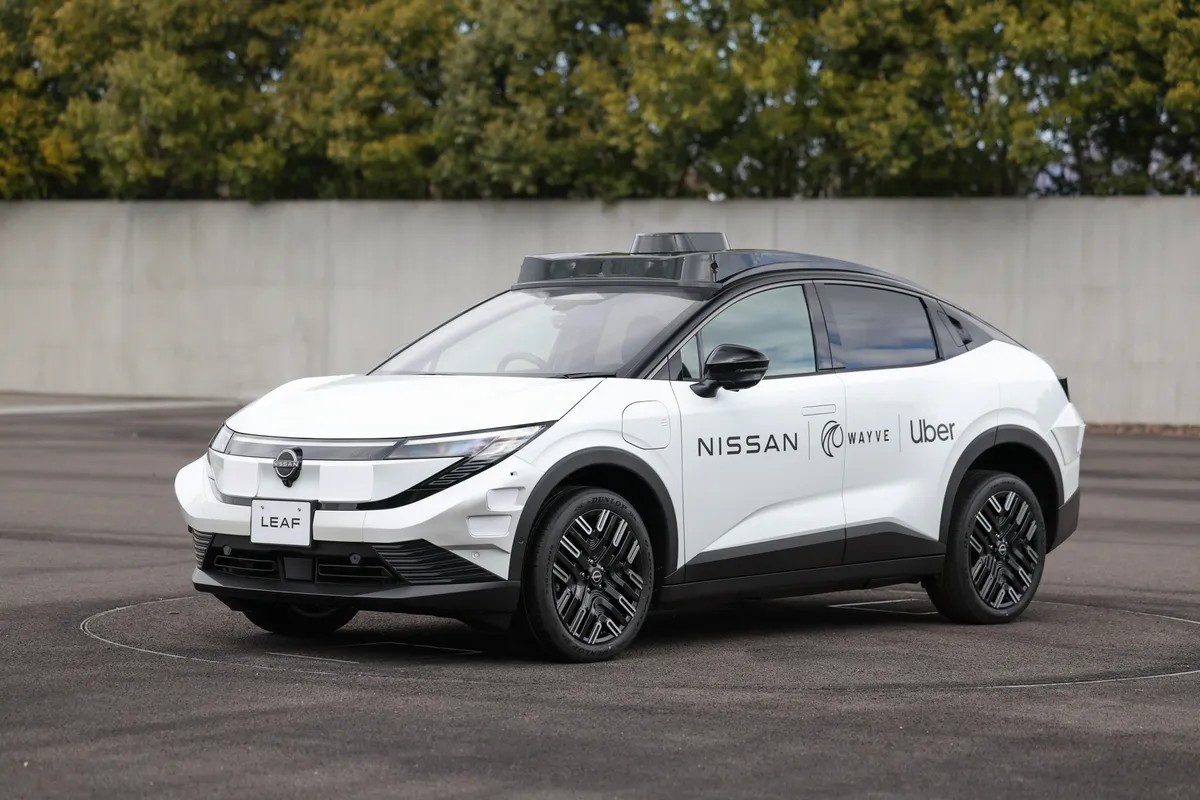
Uber is undergoing a fundamental shift in its business model. After years of operating as an “asset-light” platform—connecting users to drivers without owning the vehicles—the company is moving toward a massive, capital-intensive strategy centered on autonomous technology.
The $10 Billion Bet on Autonomy
Recent data suggests that Uber is positioning itself as a dominant force in the autonomous vehicle (AV) sector. According to reports from the Financial Times, Uber has committed over $10 billion to the field. This massive figure is broken down into two distinct categories:
- $2.5 billion in direct equity investments in AV developers.
- $7.5 billion earmarked for the future purchase of robotaxis.
Uber’s portfolio of partners is already diverse, including companies like WeRide, Lucid, Nuro, Rivian, and Wayve. This move signals that while Uber may not be building the software or hardware from scratch, it intends to be the primary owner (or lessee) of the physical fleets that will roam the streets.
A Return to “Heavy” Assets
This shift marks a significant departure from Uber’s core identity. Between 2015 and 2018, Uber experimented with “moonshot” projects—such as Uber Elevate (air taxis) and Uber ATG (autonomous driving)—before largely divesting from them in 2020 to focus on its core ride-hailing and delivery business.
By pivoting back toward heavy assets, Uber is effectively changing its balance sheet. Instead of just being a digital middleman, it is becoming a massive logistics entity. This strategy allows Uber to benefit from the efficiency of autonomous fleets without the high R&D costs of developing the technology in-house, essentially leveraging the innovation of others to fuel its own scale.
⚡ Mobility Market Pulse: Key Deals and Movements
The broader transportation and tech landscape is seeing significant capital shifts and structural reorganizations. Here are the most notable developments:
🚛 Emerging Hardware & Autonomous Tech
- Slate: The electric vehicle startup, backed by Jeff Bezos, raised $650 million in Series C funding. The company is working toward producing affordable electric pickup trucks by late 2026.
- Glydways: This San Francisco startup, which develops autonomous pods for dedicated urban lanes, secured $170 million in Series C funding, led by Suzuki Motor Corporation and Khosla Ventures.
- Autonomous Hauling: A new, unnamed San Francisco-based startup is reportedly nearing a seed round announcement. The company is developing a driverless autonomous hauler, led by former Uber ATG and Waabi executives.
- Loop: The San Francisco-based firm raised $95 million in Series C funding to continue its development in the mobility space.
🚜 Industry Consolidation & Shifts
- Monarch Tractor: After struggling to transition into a software-centric business, the electric autonomous tractor startup has been acquired by Caterpillar.
- Ford Leadership Shakeup: High-profile EV executive Doug Field is departing Ford. This comes as the company reorganizes its structure to create a new “product creation and industrialization” team.
- Waymo Expansion: Alphabet’s Waymo is scaling rapidly, beginning public road testing in London and removing waitlists for its robotaxi services in Miami and Orlando.
🔋 Sustainability & Infrastructure
- Rivian & Redwood Materials: In a circular economy move, Redwood Materials is installing battery energy storage at Rivian’s Illinois factory using 100 “second-life” Rivian battery packs. This will provide 10 MWh of energy to help manage grid loads.
- Lightship: The all-electric RV manufacturer is quadrupling its manufacturing capacity by expanding its Colorado facility.
The Bottom Line: Uber is trading its “asset-light” philosophy for a massive investment in autonomous hardware, aiming to control the fleets of the future rather than just the apps that summon them.


